Expert Upper Eyelid Blepharoplasty in London
Removes redundant upper-lid skin and excess tissue that may cause eyelid heaviness, irritation, or visual obstruction, helping restore comfortable lid function and a natural contour.
Accredited & recognised by




At a Glance
- Duration
- 1-2 hours
- Anaesthesia
- local or twilight
- Hospital Stay
- Day Case
- Exercise
- After 3-4 weeks
- Driving
- After 1 week
- Results last
- up to 10 years
- Pre admission tests
- Blood, MRSA, +/- ECG
- Addresses
- Redundant upper-lid skin resting on lashes, eyelid heaviness, or visual-field shadowing
- Down time
- 1-2 Weeks
Advantages of Eyelid Lift Surgery Treatment
Reduces eyelid heaviness and discomfort
Removes redundant skin and tissue that rests on the lashes or causes fatigue and brow strain.
Improves visual function
Lifting the obstructed upper-lid skin can expand the superior visual field and ease daily visual effort.
Functional and long-lasting results
By restoring normal lid function and comfort, most patients enjoy stable improvement for many years.
Minimal Scarring
Incisions are hidden in the natural eyelid crease and closed with fine sutures to maintain a natural lid shape.
What is Upper Eyelid Lift Surgery?
Upper blepharoplasty, also known as eyelid lift surgery, treats the area between the eyebrow and the lash line. It removes redundant upper eyelid skin and, where needed, excess fat. This tissue can create a hooded or heavy appearance and, in some cases, block your upper & side vision.
At Perfect Eyes Ltd., the procedure is performed by Consultant Oculoplastic Surgeon Dr Sabrina Shah-Desai under local or twilight anaesthesia, as a day case. The incision is placed within your natural eyelid crease, so the scar sits discreetly as it heals. A tailored amount of skin is removed, along with excess fat where indicated, and the underlying muscle is addressed when required. If the upper eyelid itself is droopy, the muscle that raises the eyelid can also be tightened.
Dr Sabrina uses her signature Zip Stitch closure technique to minimise scarring and support accurate healing. Throughout the procedure, she takes care to preserve the tissue that supports normal eyelid closure and your natural eyelid shape, so your eyes look refreshed rather than ‘done’.
Cosmetic or Functional - Which Applies to You?
Upper blepharoplasty can be performed for cosmetic reasons, functional reasons, or both.
Cosmetic blepharoplasty
Addresses excess skin that affects your appearance, makes your eyes look tired or heavy, or hides the eyelid crease. The motivation is aesthetic.
Functional blepharoplasty
Addresses excess skin that physically blocks your peripheral or upward vision, causes brow strain, or affects daily activities such as reading or driving.
Both can apply
It is common to have functional and cosmetic concerns at the same time.
Where a visual field test confirms a functional indication, VAT may not apply to the cost of the procedure. This is assessed and confirmed in writing at your consultation.
Am I a Good Candidate for Upper Blepharoplasty?
You may be a good candidate for upper blepharoplasty if:
You have excess skin folding over the upper eyelid crease.
The fold may hide your crease or rest on your lashes.
Your eyelids feel heavy or strain your brows by the end of the day.
Many people find they raise their brows to keep their eyes open.
Redundant skin is partially blocking your vision.
This most often affects your upper and side vision.
You are in good general health with no uncontrolled eye conditions.
Any existing conditions are reviewed before surgery is planned.
You have realistic expectations about the results.
The goal is natural restoration, not a dramatic change.
You are a non-smoker or are willing to stop smoking before surgery.
Smoking slows healing and can affect your result.
If you are unsure whether you are a suitable candidate, our free self-test is a good starting point – or book a consultation for a full clinical assessment.
What Happens During Upper Blepharoplasty - Step by Step
- Step 1
Consultation and assessment
Dr Sabrina evaluates your eyelid anatomy, skin laxity, fat distribution, brow position and any functional concerns. Photographs are taken to help plan your surgery.
- Step 2
Pre-operative preparation
Blood tests and, where needed, an ECG are arranged. You will be advised to stop blood thinners and smoking ahead of surgery.
- Step 3
Marking
On the day of surgery, your natural eyelid crease is marked while you sit upright. This guides the placement of the incision.
- Step 4
Anaesthesia
The procedure is performed under local anaesthesia or twilight sedation. General anaesthesia is not routinely required.
- Step 5
The surgery
Redundant skin is removed along the marked crease. Where indicated, a fine strip of muscle or herniated fat may also be addressed. The incision is then closed with fine sutures using Dr Sabrina’s Zip Stitch technique.
- Step 6
Recovery begins
Lubricating drops and cold compresses are used in the first few days. Most patients return to desk-based work within 5-7 days.
Recovery After Upper Blepharoplasty - What to Expect
Days 1-3
- Swelling and bruising are at their peak.
- Cold compresses and lubricating drops are recommended, and rest is advised.
- Some patients experience temporary dryness or light sensitivity.
Days 4-7
- Swelling begins to reduce.
- Sutures are removed at day 7–10.
- Most patients are comfortable returning to desk-based work.
Weeks 2-4
- Bruising has mostly resolved.
- Strenuous exercise should still be avoided.
- Driving can typically resume from one week.
Months 1-3
- Residual swelling gradually settles, and the eyelid crease becomes more defined.
- Final results are typically visible at 3-6 months.
Long term
- Results typically last up to 10 years. Skin continues to age naturally after this point.
Every patient heals at their own pace. Your post-operative care plan will be tailored to you and discussed in detail before and after your procedure.
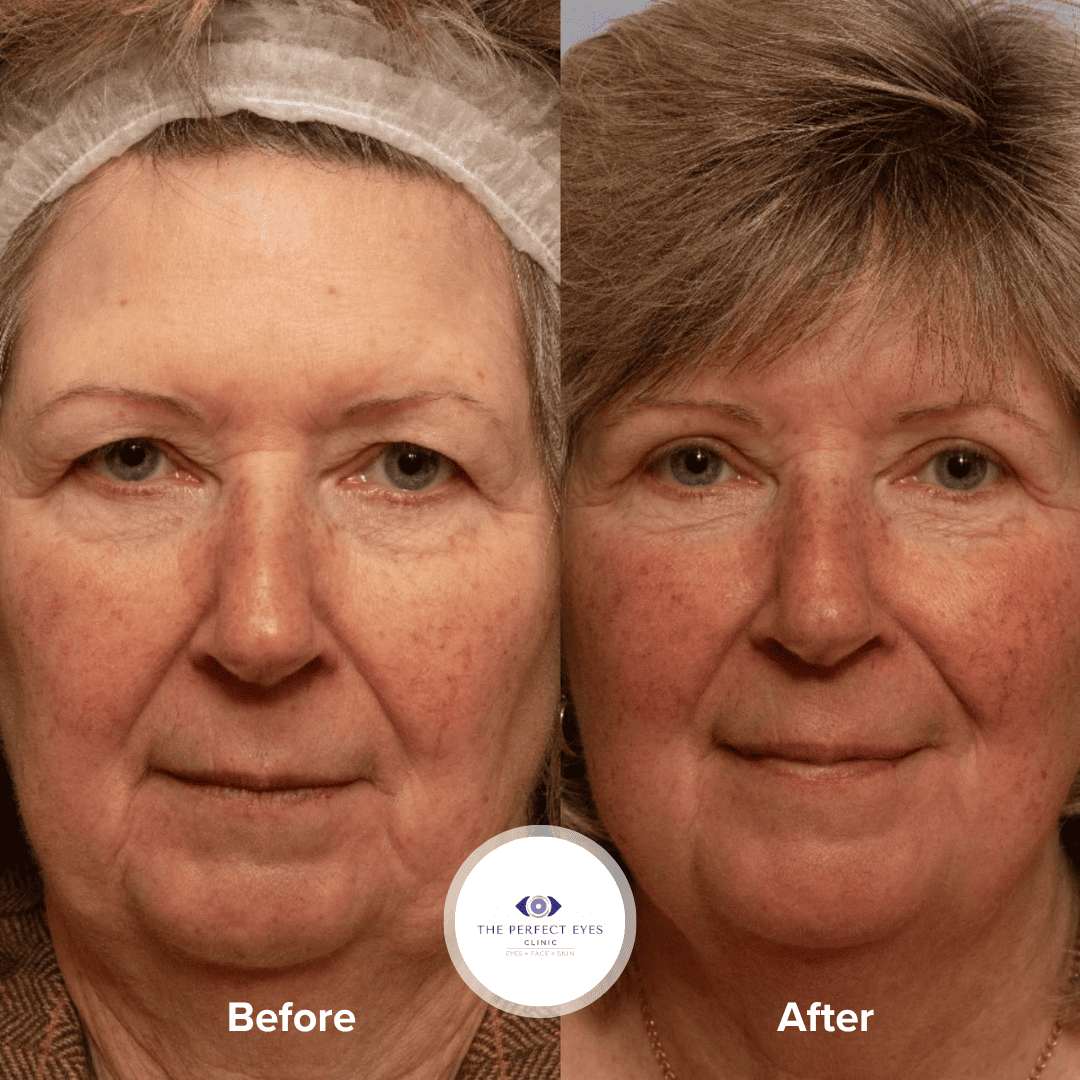
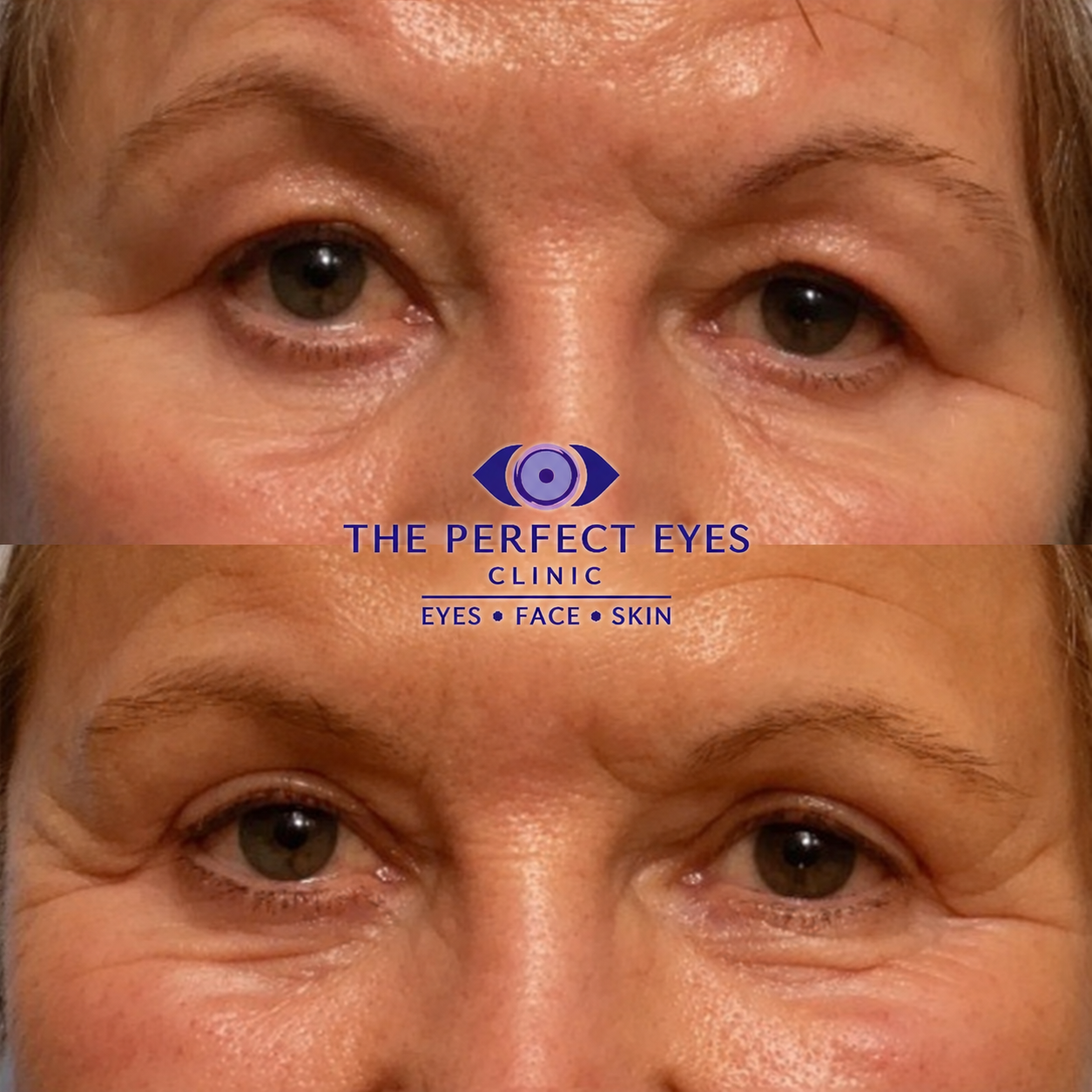
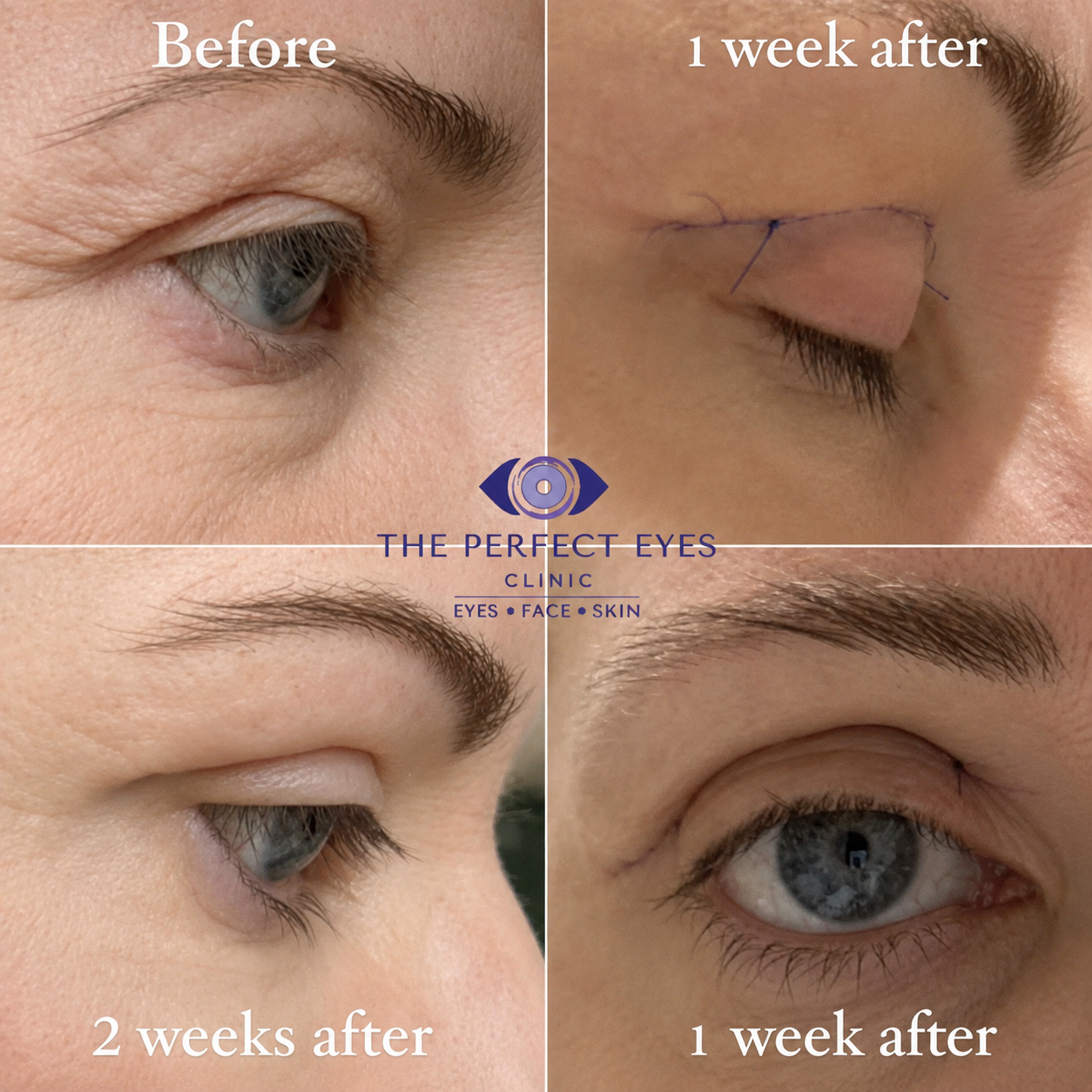
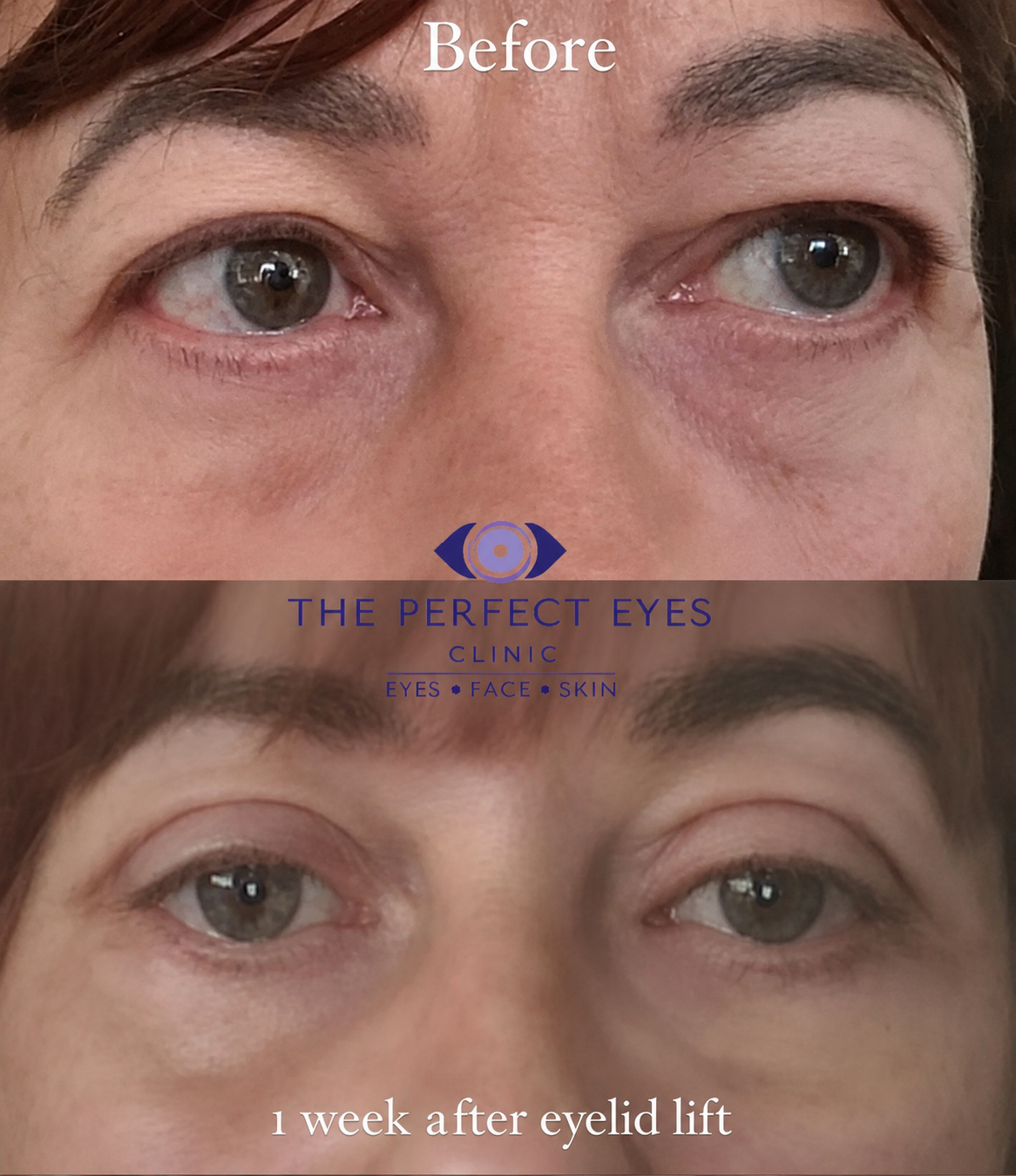
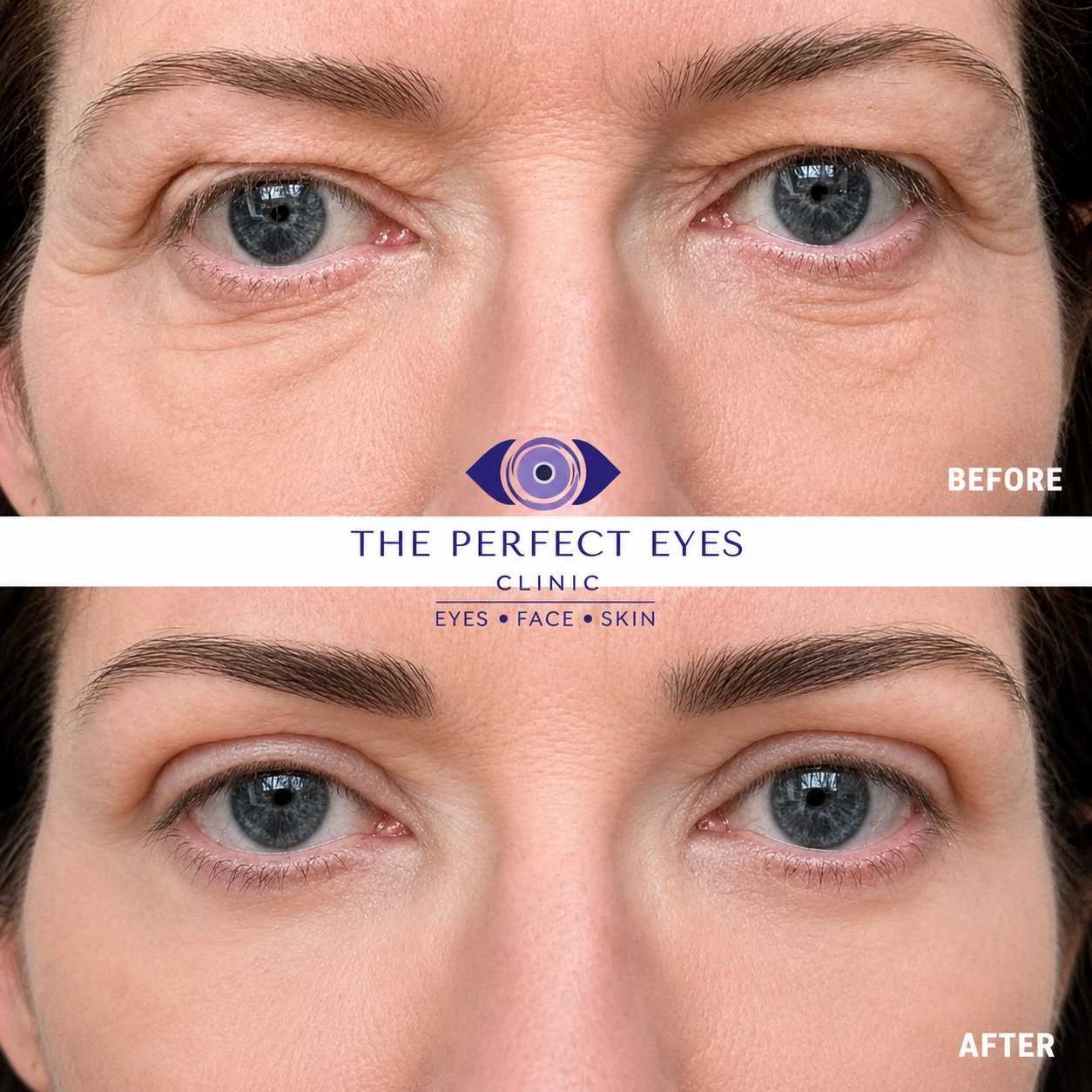
Eyelid Lift Surgery Before and After
See the Eyelid Lift Surgery before and after results below, achieved by Dr Sabrina.
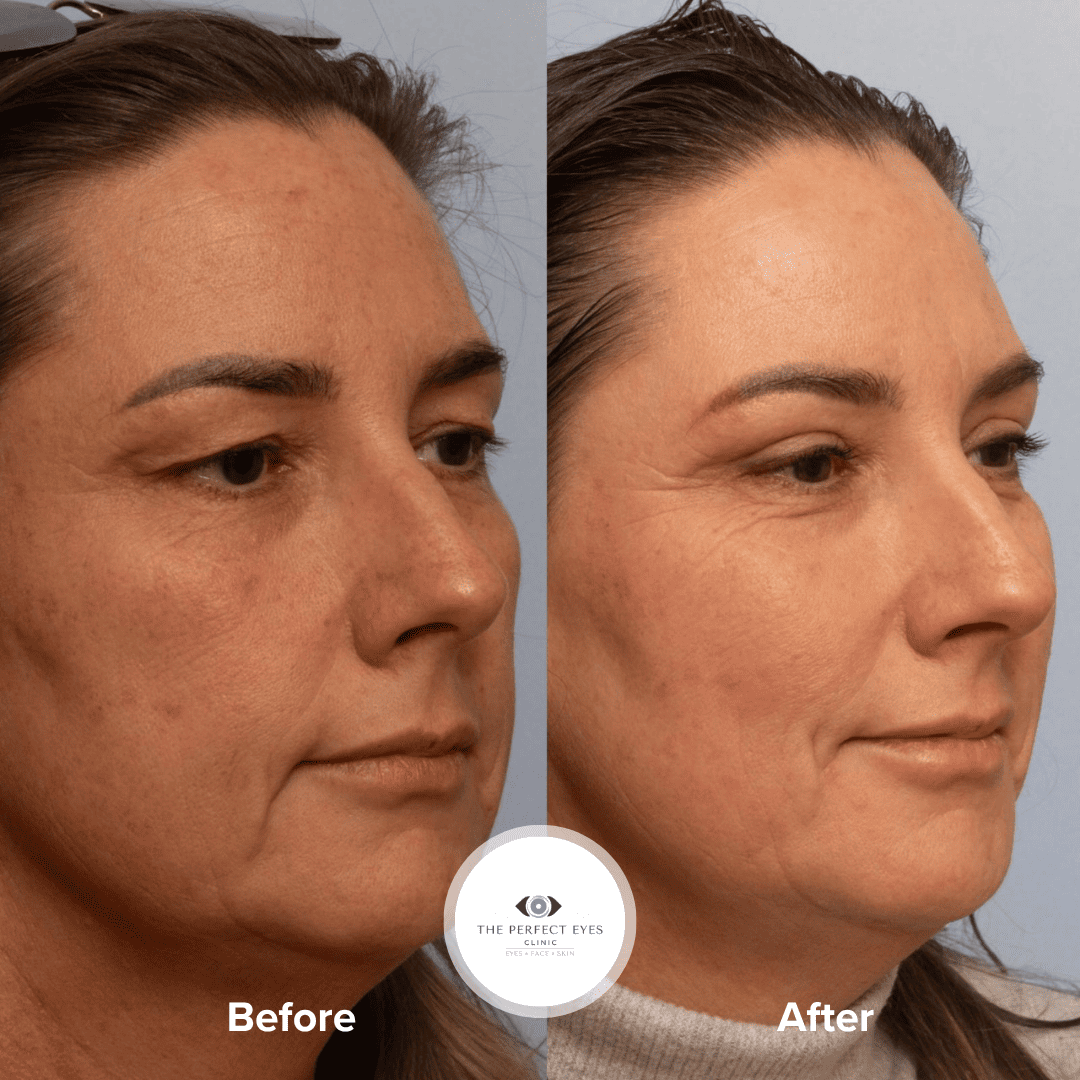
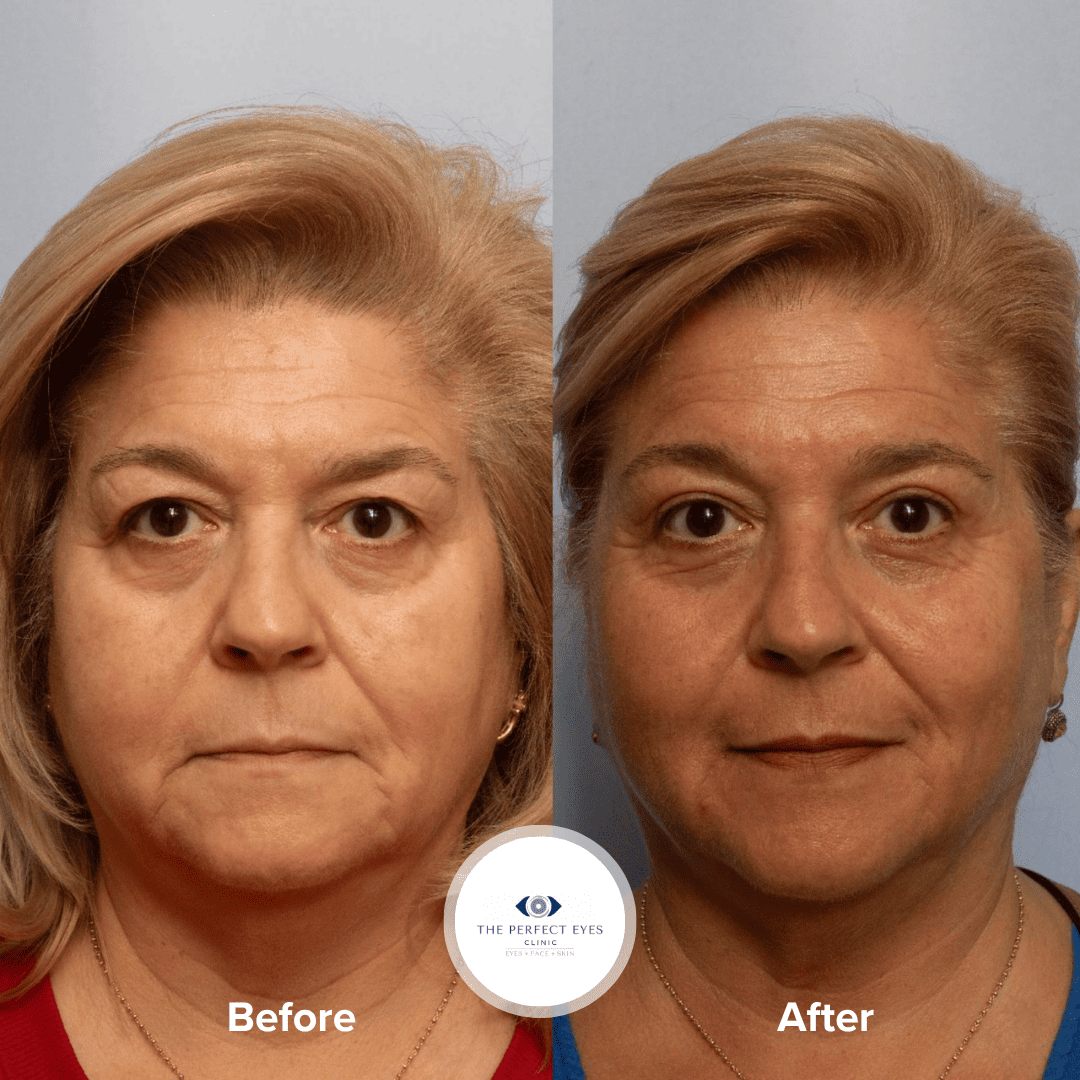
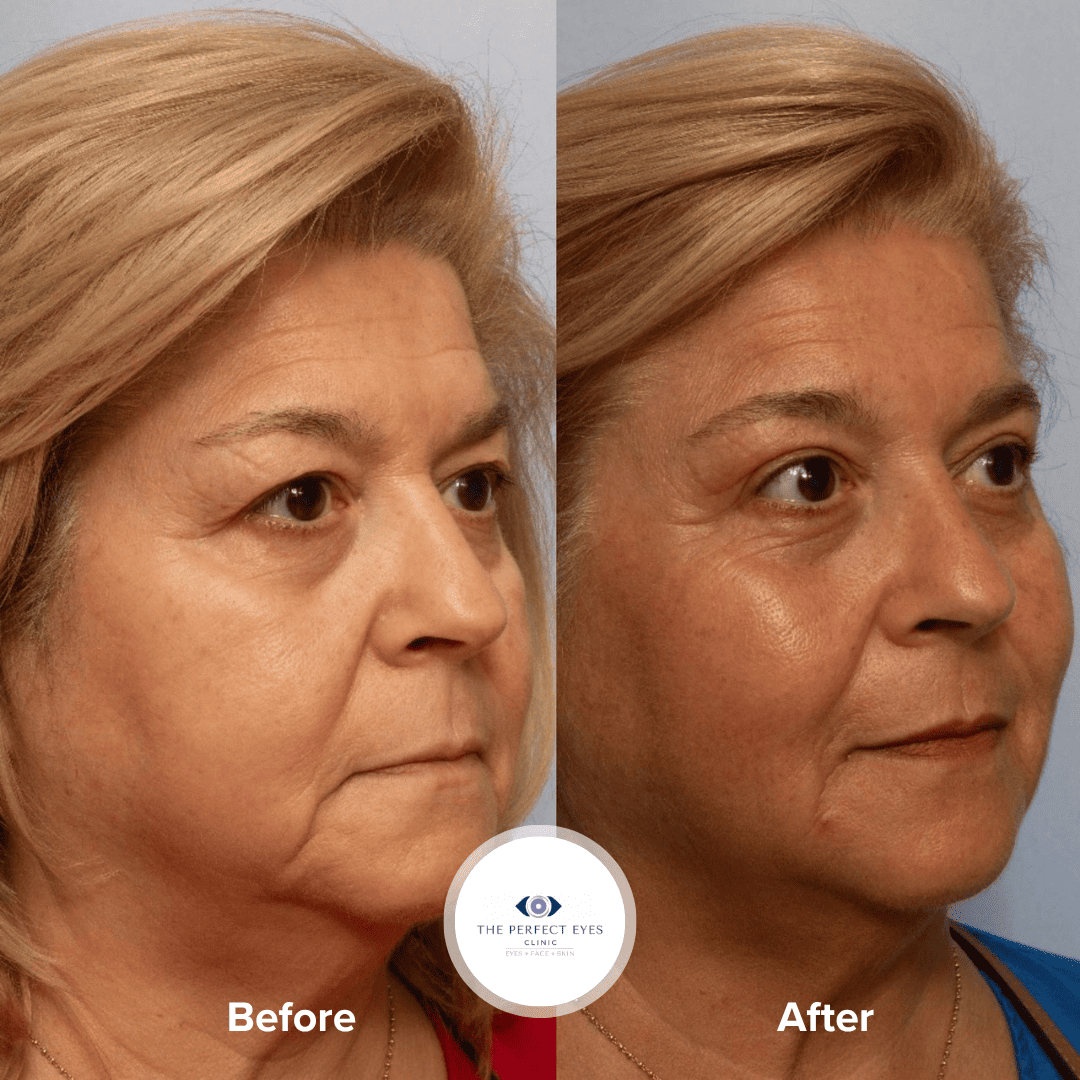
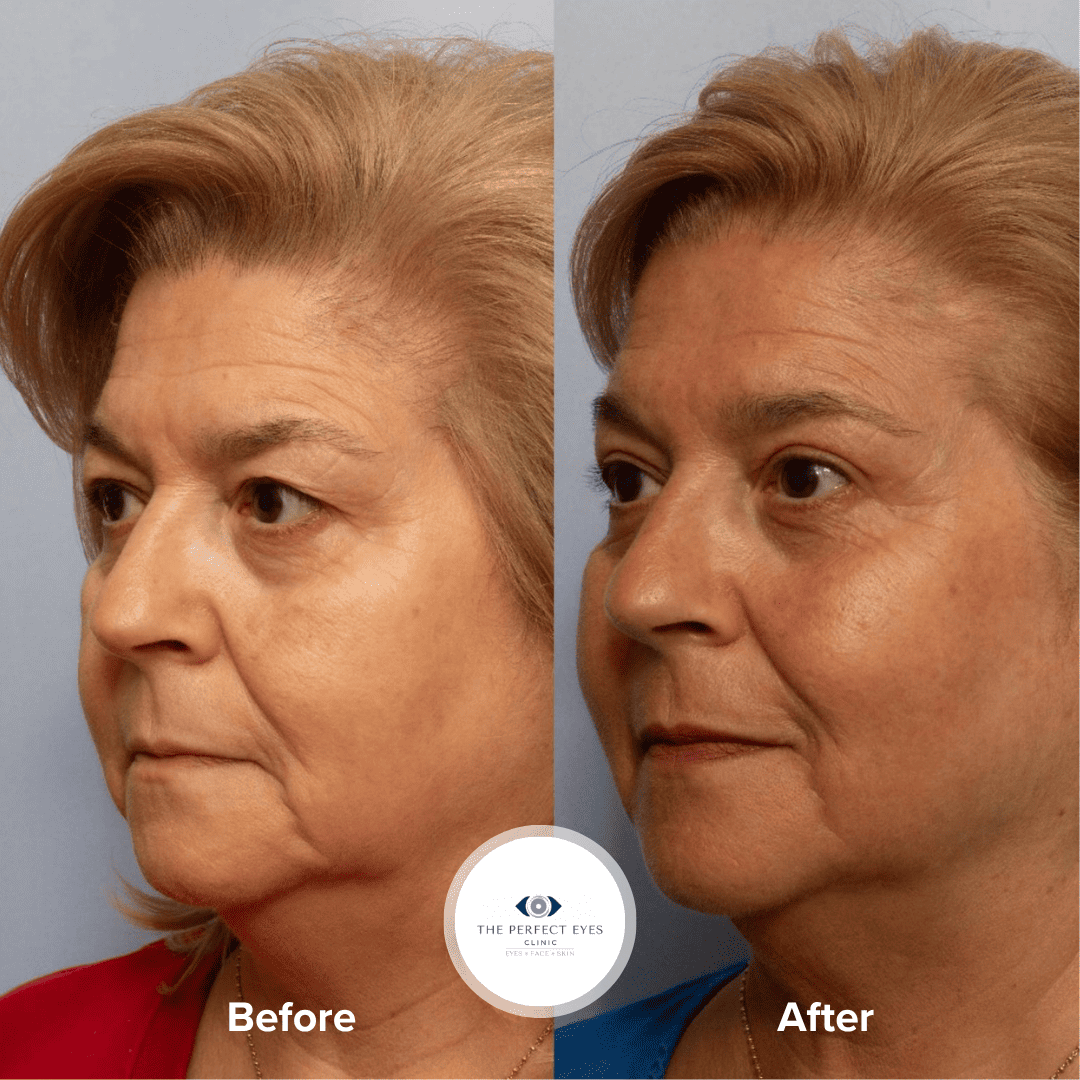
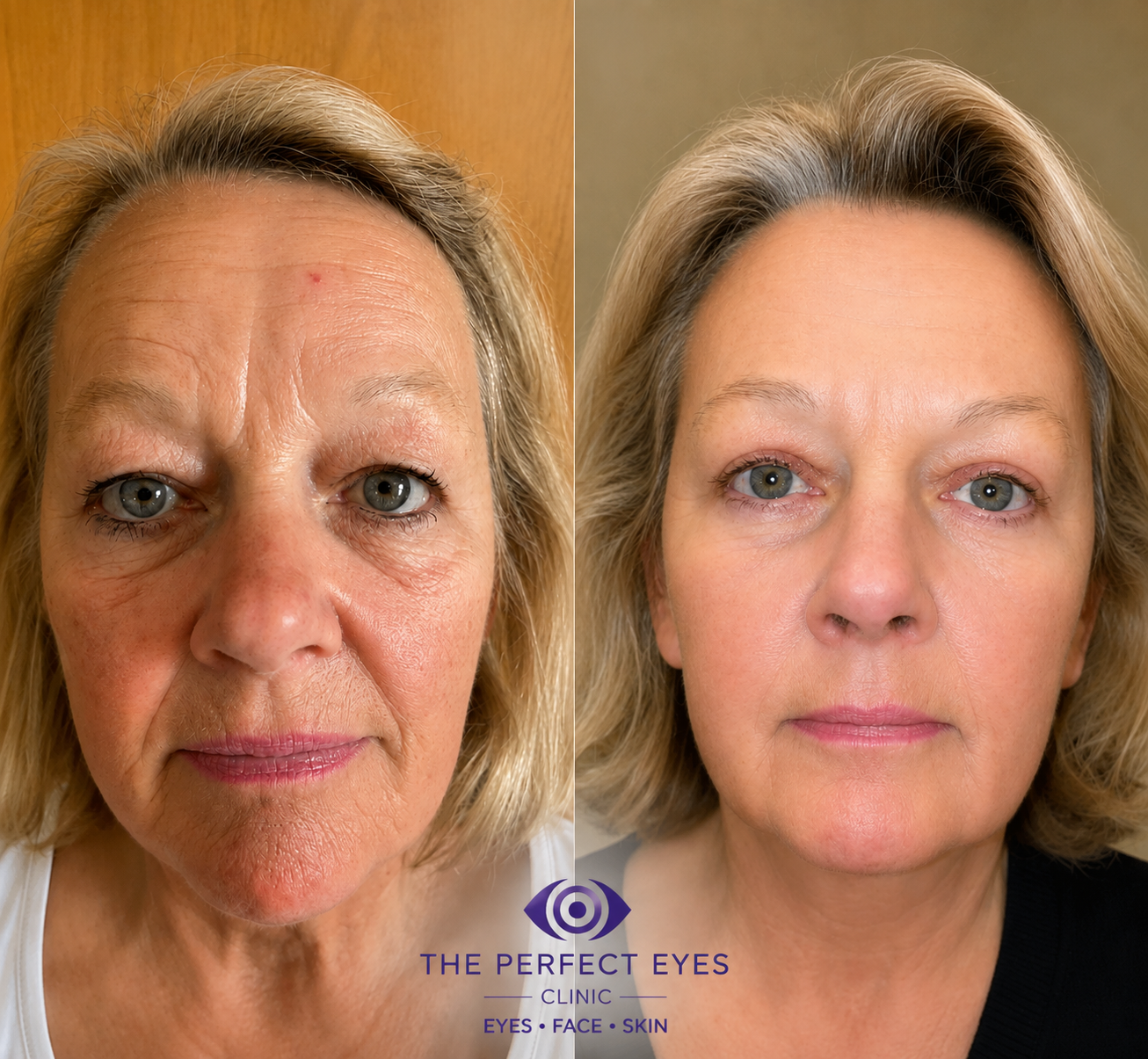
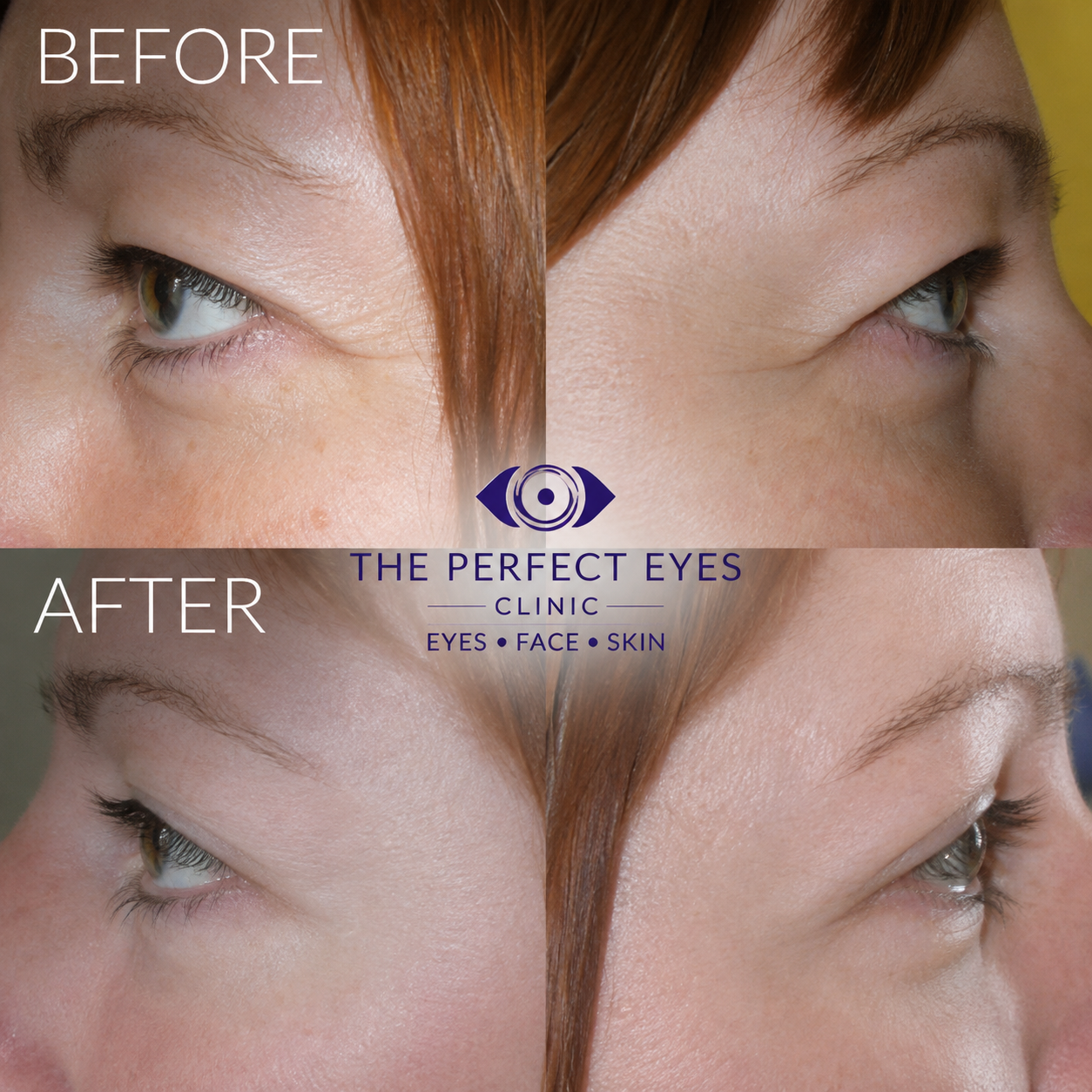
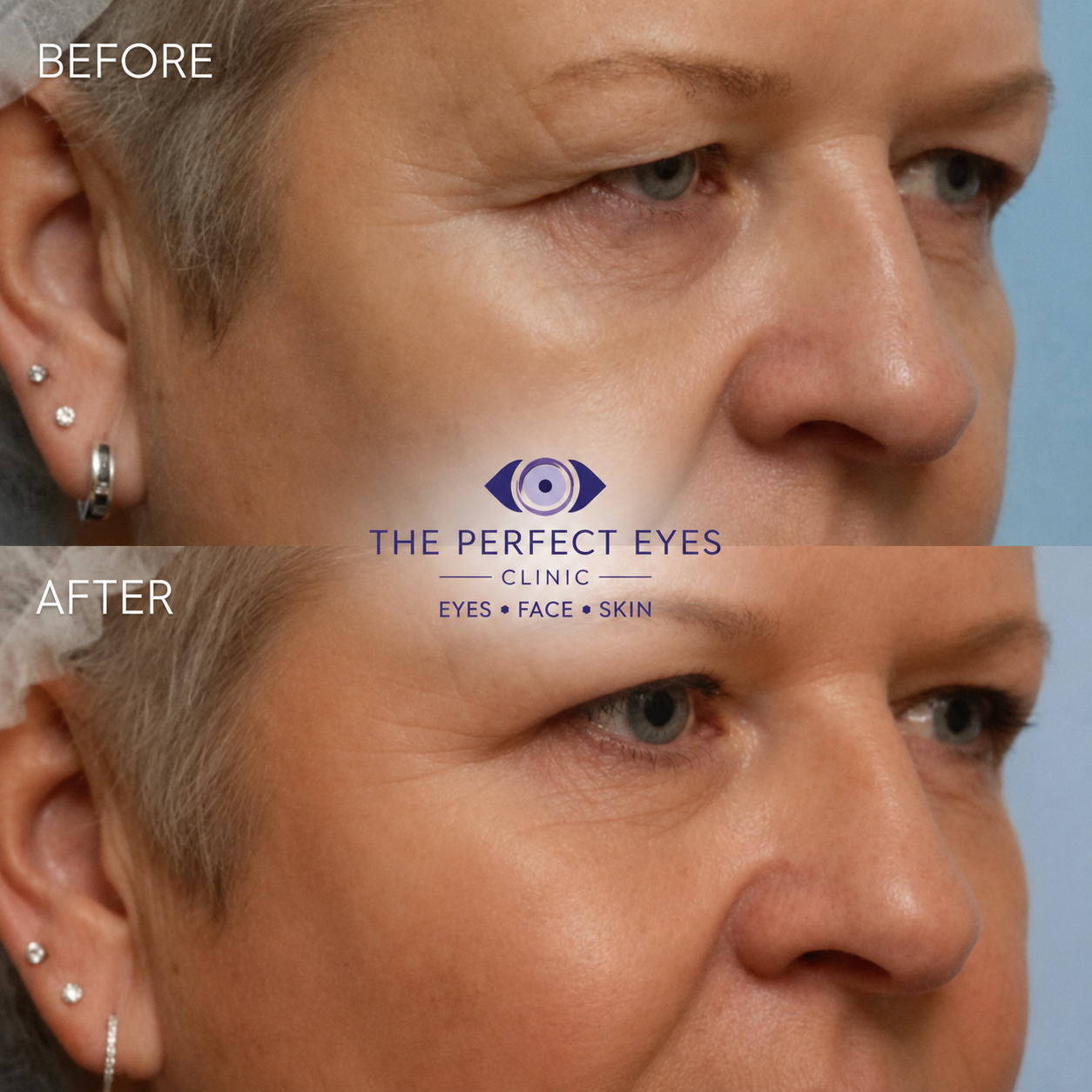
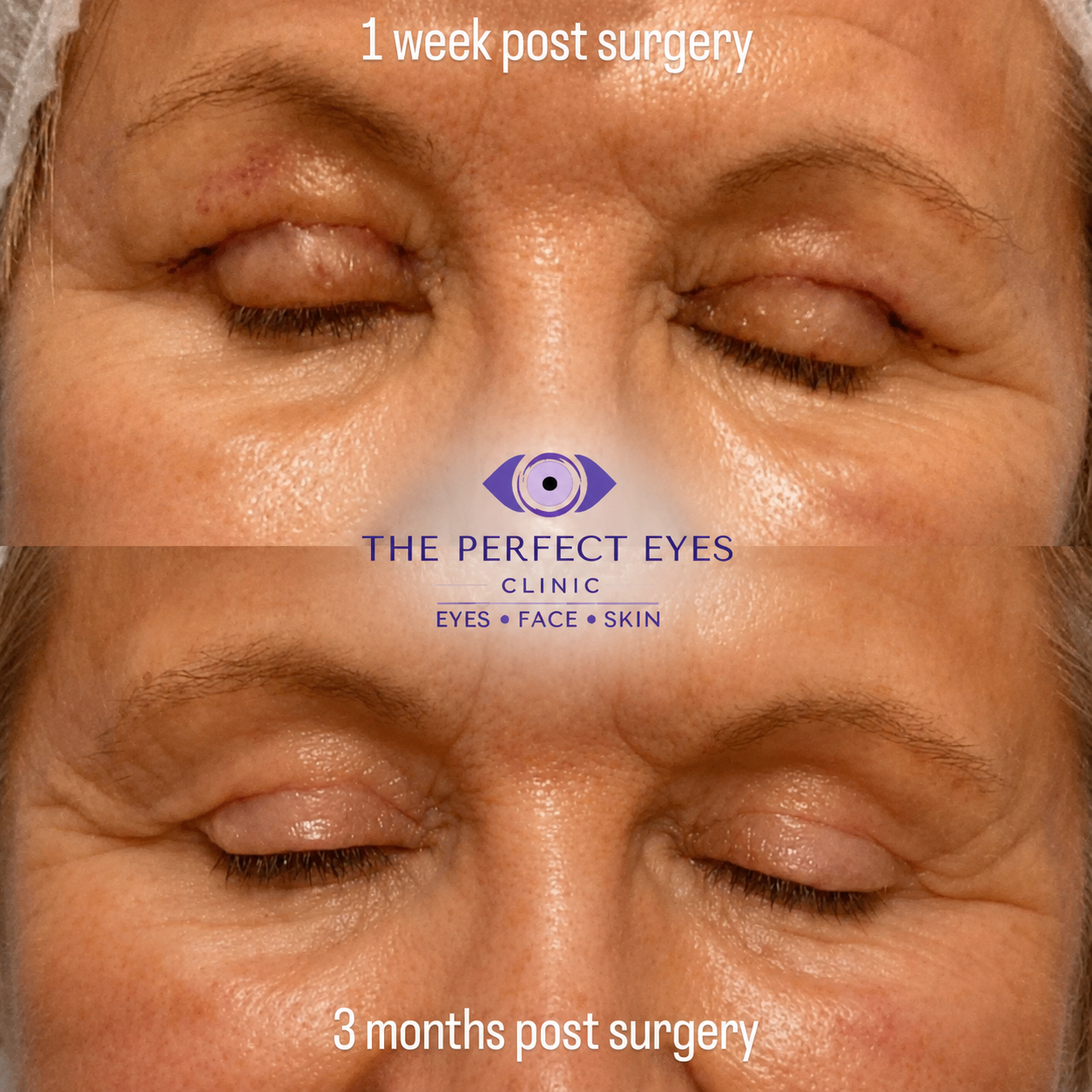
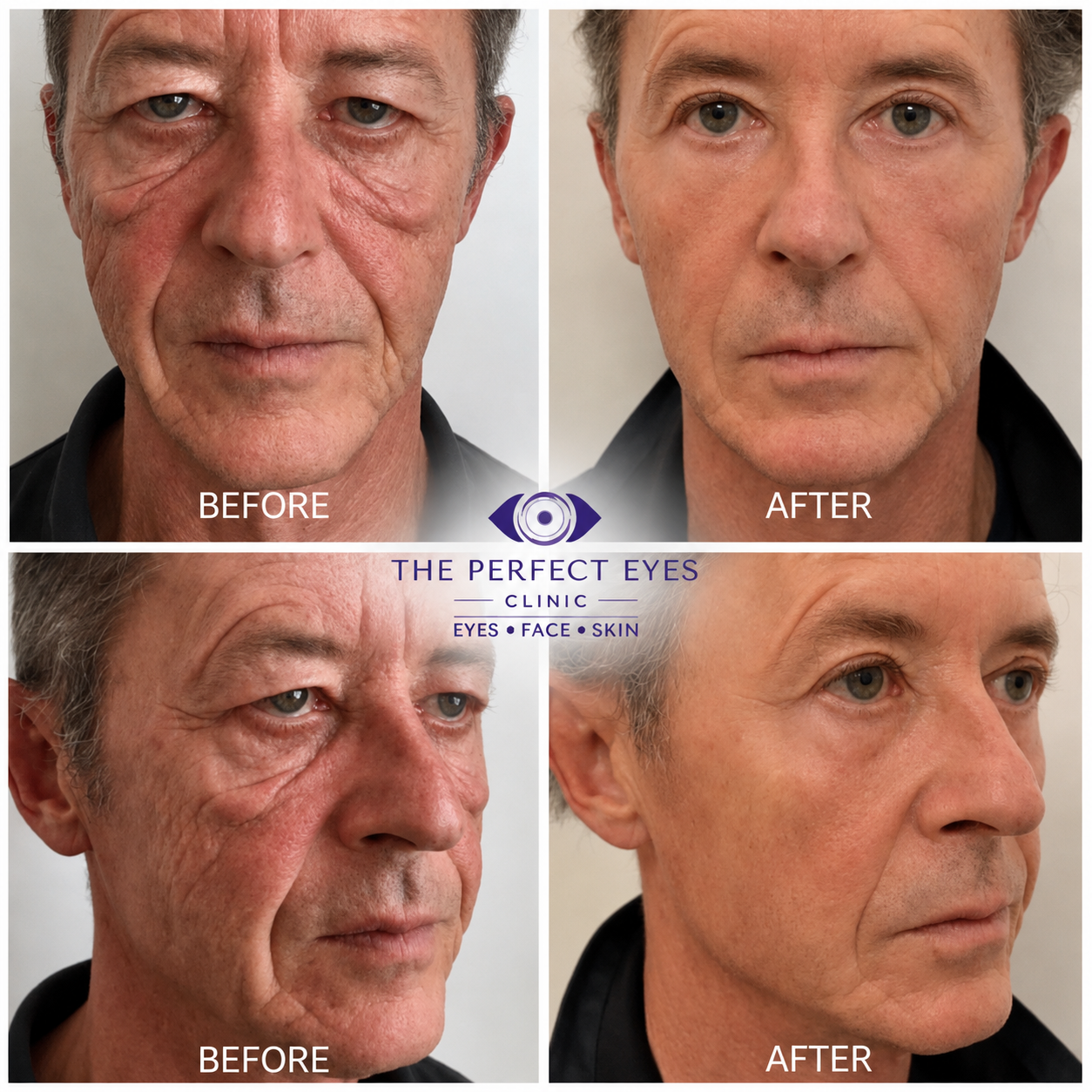
Disclaimer: Your results may vary. Any specific claims or duration of results vary for each patient and are not guaranteed.
Patient Testimonials
4.9/5.0
Based on 250+ Google reviews
& 200 reviews on RealSelf


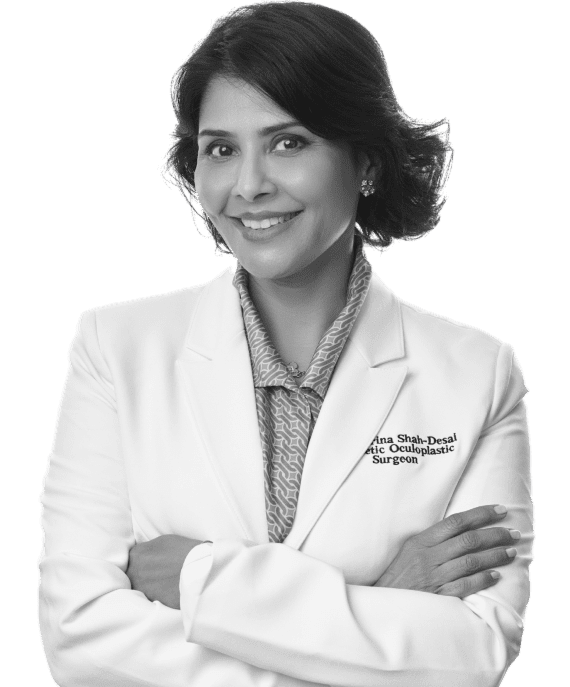
Meet the Expert: Dr Sabrina Shah-Desai
Dr Sabrina Shah-Desai is the founder and Medical Director of Perfect Eyes Clinic. With over 25 years of surgical and non-surgical experience, she is considered one of the safest, most experienced oculoplastic surgeons in the UK.
Her extensive training, combined with her caring and empathetic nature, makes her a natural choice for patients seeking the very best care. Dr Sabrina has been listed in Tatler’s Beauty & Cosmetic Surgery Guide every year from 2019 to 2026.
Learn About Dr SabrinaWhy Patients Choose Perfect Eyes Clinic
Specialist oculoplastic expertise: Dr Sabrina operates exclusively on the eye area. She is not a general plastic surgeon who also performs eyelid surgery.
Over 25 years of surgical experience, with hundreds of upper blepharoplasty procedures performed.
Signature Zip Stitch technique for minimal scarring and precise healing.
Rated 4.9 from 250+ Google reviews and 200+ RealSelf reviews.
Featured in Tatler’s Beauty & Cosmetic Surgery Guide every year from 2019 to 2026.
CQC registered and rated Good across all five key areas.
Upper Eyelid Blepharoplasty Cost in London
The figures below are surgeon’s fees.
- Unilateral Upper Eyelid Blepharoplastyfrom£3,000
- Bilateral Upper Eyelid Blepharoplastyfrom£4,000
- Combined Upper and Lower Eyelid Blepharoplastyfrom£11,000
Prices shown are surgeon’s fees. Where a procedure is undertaken for a diagnosed medical condition rather than solely for aesthetic purposes, VAT may not apply. Your VAT position will be confirmed in writing in your personalised quotation.
Frequently Asked Questions
The questions patients ask most often, answered by the clinic. If yours isn’t here, ask us directly - we would be delighted to help.
- Initial recovery generally takes about one week. Stitches are removed after 7-10 days, and most patients resume desk-based activity soon after. Bruising and mild swelling may persist for two to three weeks.
- No. The aim is to restore comfortable lid function and remove redundant tissue while preserving each patient's natural eyelid shape and brow position. In men, care is taken to maintain their typical T-shaped brow and avoid an overly lifted or feminised appearance.
- Bruising, swelling, transient dryness, or irritation are common and usually settle within a few weeks. Other risks include temporary blurred vision, mild asymmetry, or visible scarring (rare and typically minimal). All risks and aftercare are discussed during consultation.
- Incisions are hidden within the eyelid's natural crease and usually fade over several months. Visible scarring is uncommon.
- Vision may be slightly blurred for a few days due to swelling or the use of eye lubricants. Reading and other visual tasks can be resumed as comfort allows.
- Results typically last up to 10 years. The excess skin removed during surgery does not return, but your skin continues to age naturally over time. Sun protection, not smoking and a good skincare routine can help you maintain your result for longer. Results vary from person to person and are discussed at your consultation.
- Yes. Upper blepharoplasty is often combined with lower eyelid blepharoplasty to treat the upper and lower eyelids together. It can also be performed alongside a brow lift or ptosis surgery where these are clinically needed. Combining procedures can mean a single recovery period. Dr Sabrina will advise whether a combined approach is right for you.
Heavy upper eyelids can be caused by the eyelid skin itself, by a low brow, or by both. Knowing which applies to you is key to a natural result.
- Upper blepharoplasty addresses excess skin directly on the upper eyelid. It is the right choice when the skin itself is the problem.
- A brow lift addresses the position of the brow. When the brow has descended and is pushing skin down onto the eyelid, lifting the brow removes the source of the problem.
- Some patients need both. A low brow can make it look as though you have far more eyelid skin than you do. Lift the brow, and some of that heaviness often goes with it. Whatever skin is left can then be removed with blepharoplasty.
Dr Sabrina assesses brow position at every consultation. She will recommend the appropriate procedure, or combination of procedures, based on clinical assessment rather than patient preference alone.
- In the first few days, your eyelids may feel tight and may not close fully while swelling is present, which is why lubricating drops are used. This usually settles as healing progresses. Dr Sabrina removes a carefully tailored amount of skin and preserves the tissue that supports normal eyelid closure. Any concerns about eye closure are monitored at your follow-up appointments.
- Upper blepharoplasty is performed under local anaesthesia or twilight sedation. General anaesthesia is not routinely required. You will be comfortable throughout the procedure, and as it is a day case, you can go home the same day. The type of anaesthesia best suited to you is discussed at your consultation.
- Before surgery, you will have pre-admission tests, including blood tests, an MRSA screen and, where needed, an ECG. You will be advised to stop blood thinners and smoking ahead of your procedure, as both can affect bleeding and healing. As it is a day case, it is best to arrange for someone to take you home. The team will give you full pre-operative instructions before your surgery date.
- Eye makeup can usually be worn again after around two weeks, once your sutures have been removed and the incisions have healed. Wearing makeup too early can irritate the healing skin or increase the risk of infection. When you start again, use fresh products and remove them gently. Dr Sabrina will confirm when it is safe for you at your follow-up.
- Upper blepharoplasty removes excess skin and fat, but it does not on its own correct ptosis, which is caused by a weak eyelid muscle. Ptosis is treated with ptosis surgery, which tightens the muscle that raises the eyelid. Many patients have both conditions, and the two procedures can be performed together. Dr Sabrina will identify which applies to you at your consultation.
- Cosmetic blepharoplasty improves the appearance of the eyelids, such as a tired or heavy look or a hidden crease. Functional blepharoplasty treats excess skin that blocks your vision, causes brow strain or affects daily activities like reading or driving. Many patients have both concerns. Where a visual field test confirms a functional indication, VAT may not apply to the cost of the procedure.
- Upper blepharoplasty is not usually available on the NHS for cosmetic reasons. It may be offered in some cases where excess skin significantly affects your vision, but eligibility criteria are strict & vary by area. Many patients choose private treatment for shorter waiting times and the choice of a specialist surgeon. At Perfect Eyes Ltd., a visual field test can help confirm whether your concern is functional in nature.
Call or email us today; we would be delighted to answer your questions.
Ask a Question or Book an AppointmentRated five stars by patients across the globe
4.9out of 5 from 250+ Google reviews
Book Your Consultation Today
Get personalised advice and expert care from our top medical professionals at 121 Harley Street, London.
Related Blogs
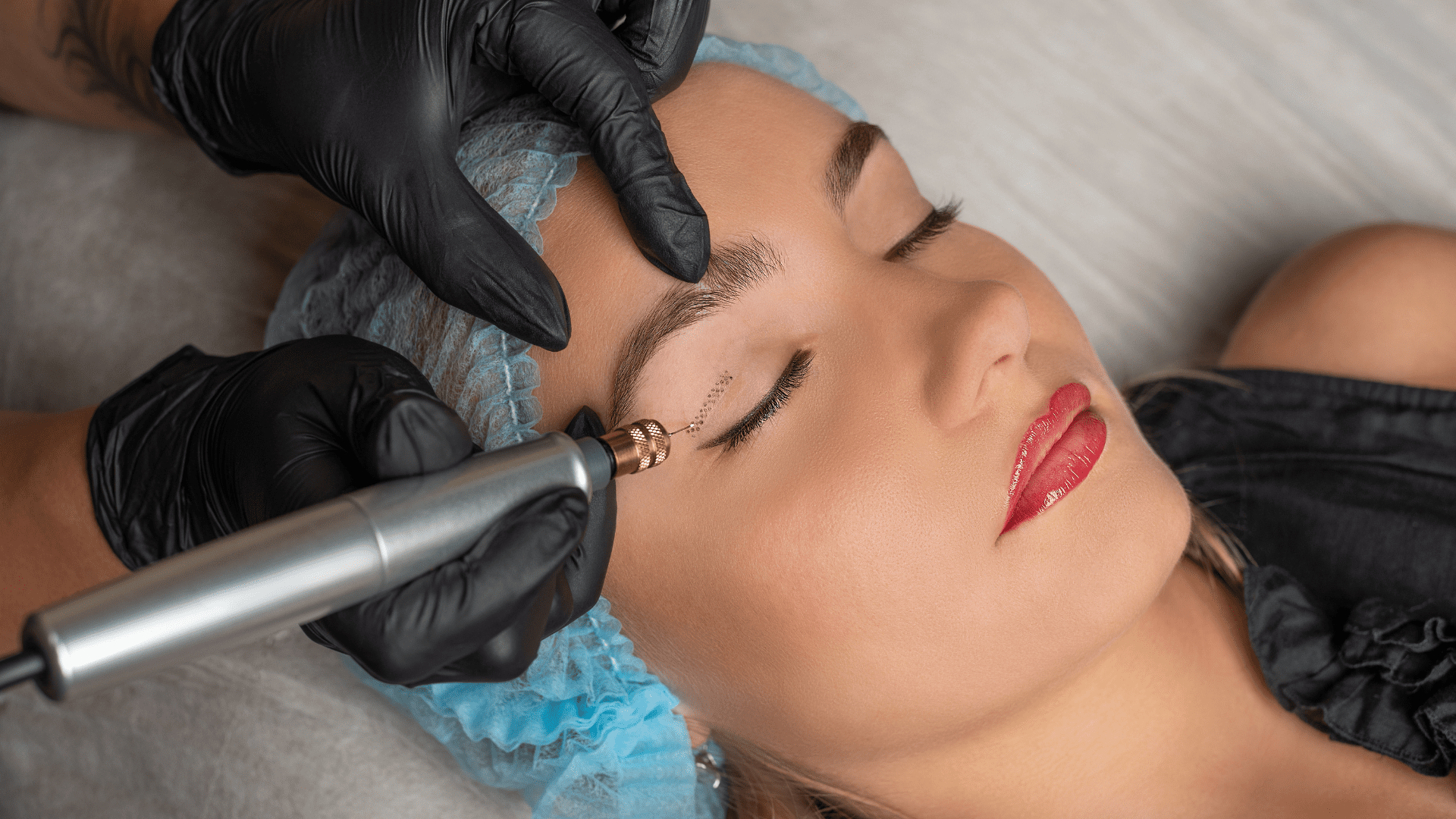
Three Things You Should Know Before Getting An Eyelid Lift
Are you thinking of having aesthetic plastic surgery? The frequency and popularity of blepharoplasty procedures, or eyelid lifts, have increased…
How to Lift Eyebrows Naturally for a Youthful Appearance?
You can lift your eyebrows naturally with daily facial massage, targeted muscle exercises, and clinical skincare products. However, to achieve a…
Monolid Eyes: What They Are, Why They Occur, and Your Options
If your eyelids run smooth from lash line to brow bone with no visible fold, you have what is called a monolid. It is one of the most common eyelid…
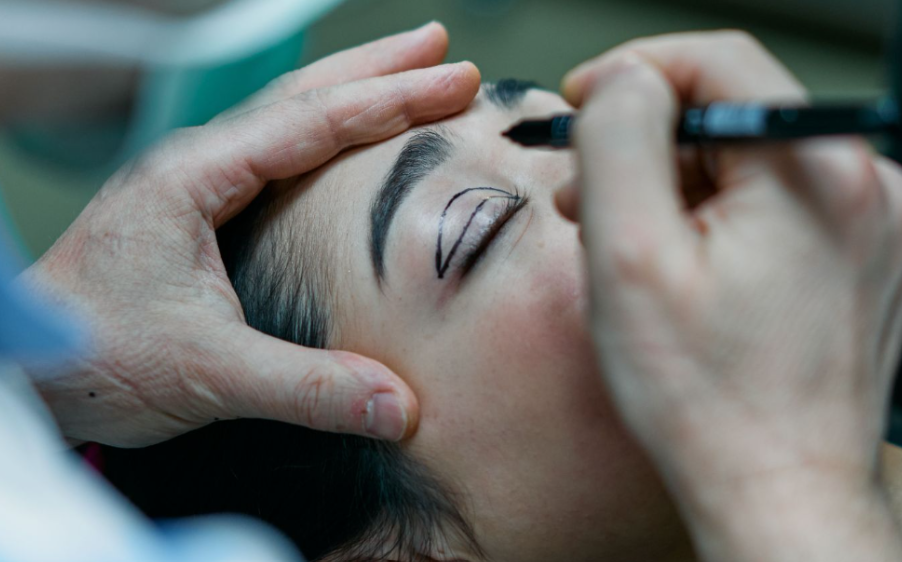
What Is Double Eyelid Surgery and How Is It Different From a Regular Blepharoplasty?
The shape of the upper eyelids can vary considerably from person to person. Some people naturally have a visible crease above the upper eyelid, while…
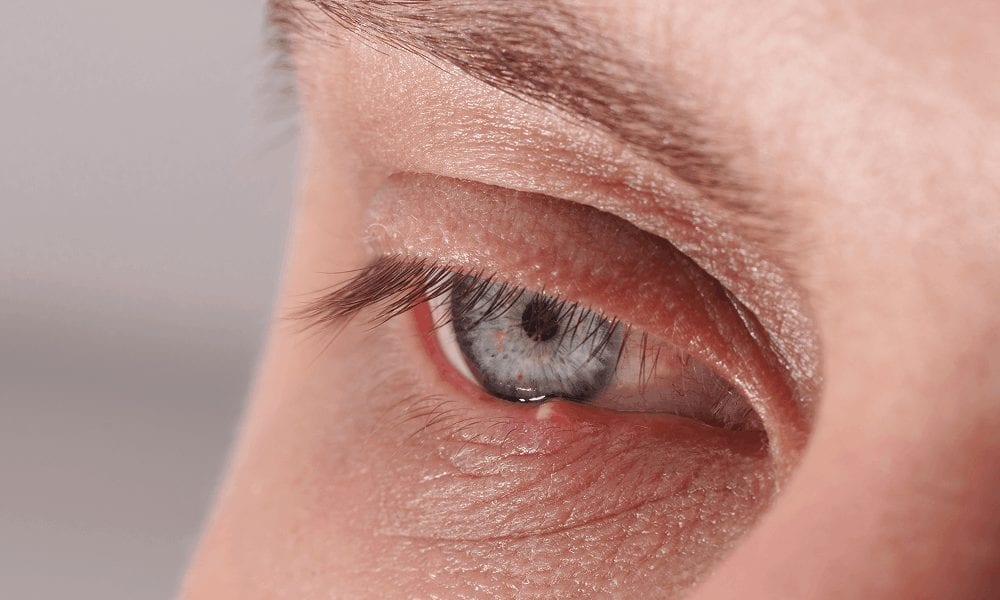
Eyelid Bumps: Symptoms, Causes & Treatments
Most eyelid bumps are either styes or chalazia. A stye is a red, sore spot. A chalazion is a hard, painless lump. To fix them, use a warm flannel for…
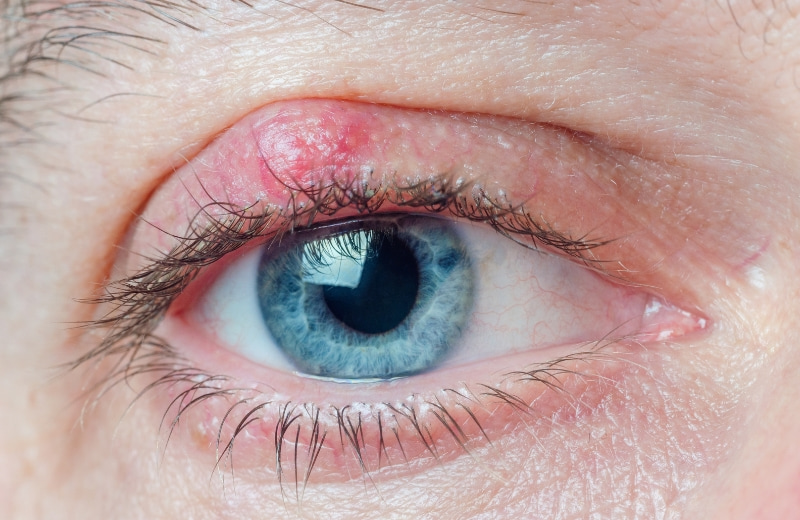
Early Stage of Eyelid Cancer: Symptoms, Causes, & More
Eyelid cancer is relatively uncommon, yet when it occurs, early diagnosis and treatment can make a significant difference. It's not something many…
Contact our clinic
Speak to our team about which treatment suits you, or arrange a private consultation at 121 Harley Street.