


How Does the Malar Bags Treatment Work?
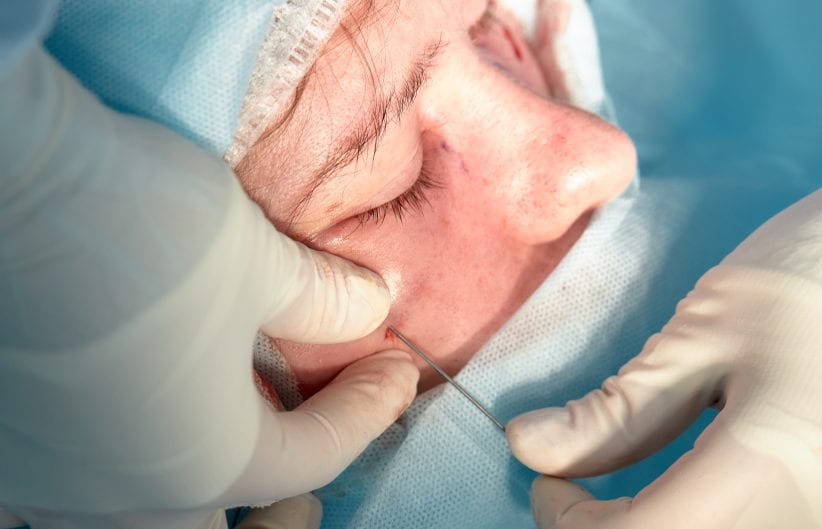
While surgical treatment is a classic option for addressing festoons and malar bags, it is essential to note that revisions are not uncommon, and postoperative results may require further enhancement through tailored non-surgical procedures. Non-surgical options provide an exciting alternative for mild to moderate festoons and malar bags. However, it's important to consider that these treatments may require repeated sessions due to temporary improvements or insufficient rejuvenation.
For Mild to Moderate Malar Bags:
Tetracycline Injection: Injection with 2% tetracycline may modestly reduce malar bags by triggering collagen and fibrin production. Results appear around 3 months, with repeat injections possible.
Biostimulation or Hyaluronic Acid Gel Filler: Injected strategically into the cheek, fillers can camouflage mild swelling and support the malar area. Dr Sabrina Shah-Desai prefers to use Biostimulation or a hyaluronic acid gel filler with less water-binding capacity to avoid worsening the issue.
Radiofrequency Micro-Needling: This treatment uses radiofrequency energy to tighten loose skin and improve the appearance of malar bags. It requires a series of 3 treatments every 4-6 weeks and offers long-term results with minimal side effects.
For Moderate to Severe Malar Bags:
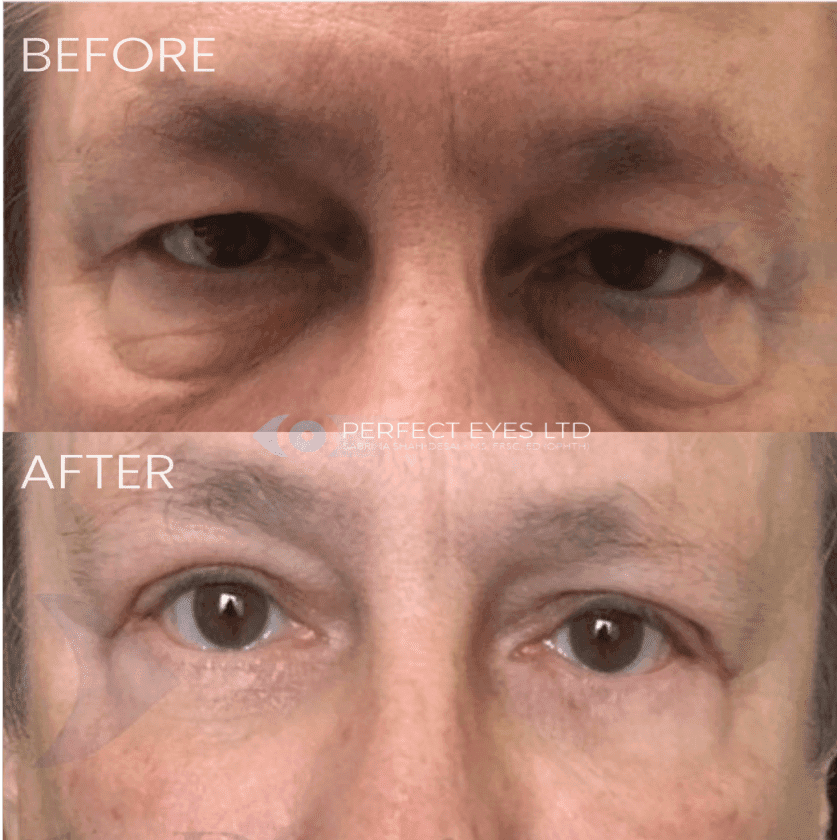
Endolift Laser: Endolift Laser uses laser energy to target the fat compartment beneath your skin, specifically in the malar area. Endolift laser has shown promising results in reducing the appearance of malar bags by up to 50% within 3-6 months after one treatment. Additionally, downtime is significantly less compared to surgery, with most patients experiencing swelling and bruising that resolves within 2 weeks.
For Severe or Persistent Malar Bags:
Direct Excision: This is an option for typically elderly patients with severe and persistent festoons. It may also be suitable for those who prioritise minimising scars over eliminating the malar bags themselves. This is a quick procedure performed under local anaesthesia with minimal downtime (1-2 weeks). However, it's important to note that this procedure is not suitable for patients with extensive orbicularis hypertrophy, attenuation or ptotic midface. Additionally, it leaves a visible scar where the festoon was removed.
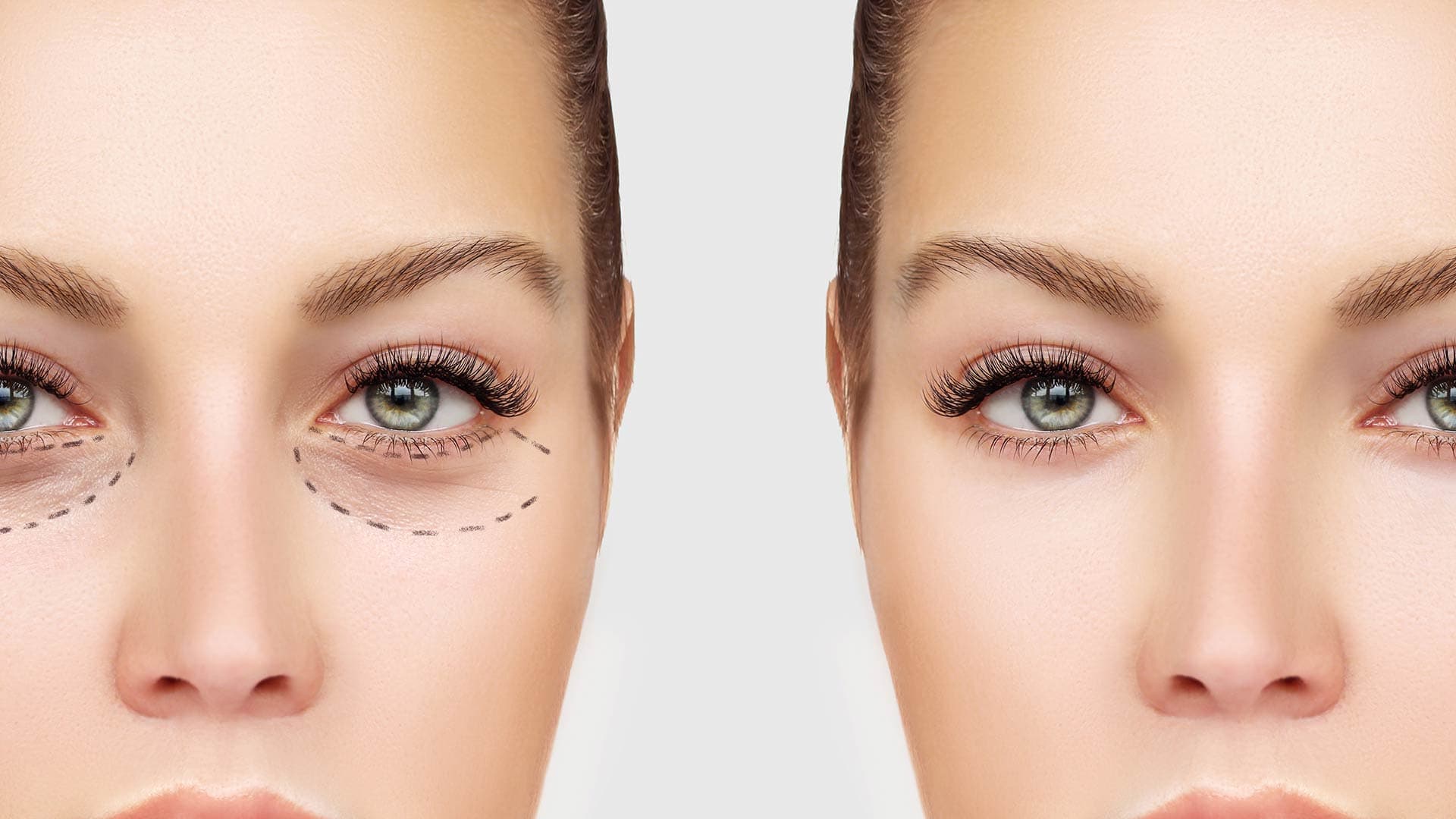
Extended Lower Lid Blepharoplasty with Midface Lift: This procedure is typically chosen by patients with severe, persistent malar edema, mounds, or festoons, that are persistent or recurrent, following minimally invasive non-surgical treatments. The advantage of this surgery is that it can address both eye bags and malar bags simultaneously. However, it requires general or twilight anaesthesia and comes with a longer downtime of 2-12 weeks. Additionally, a small scar will be left at the outer corner of the eye.