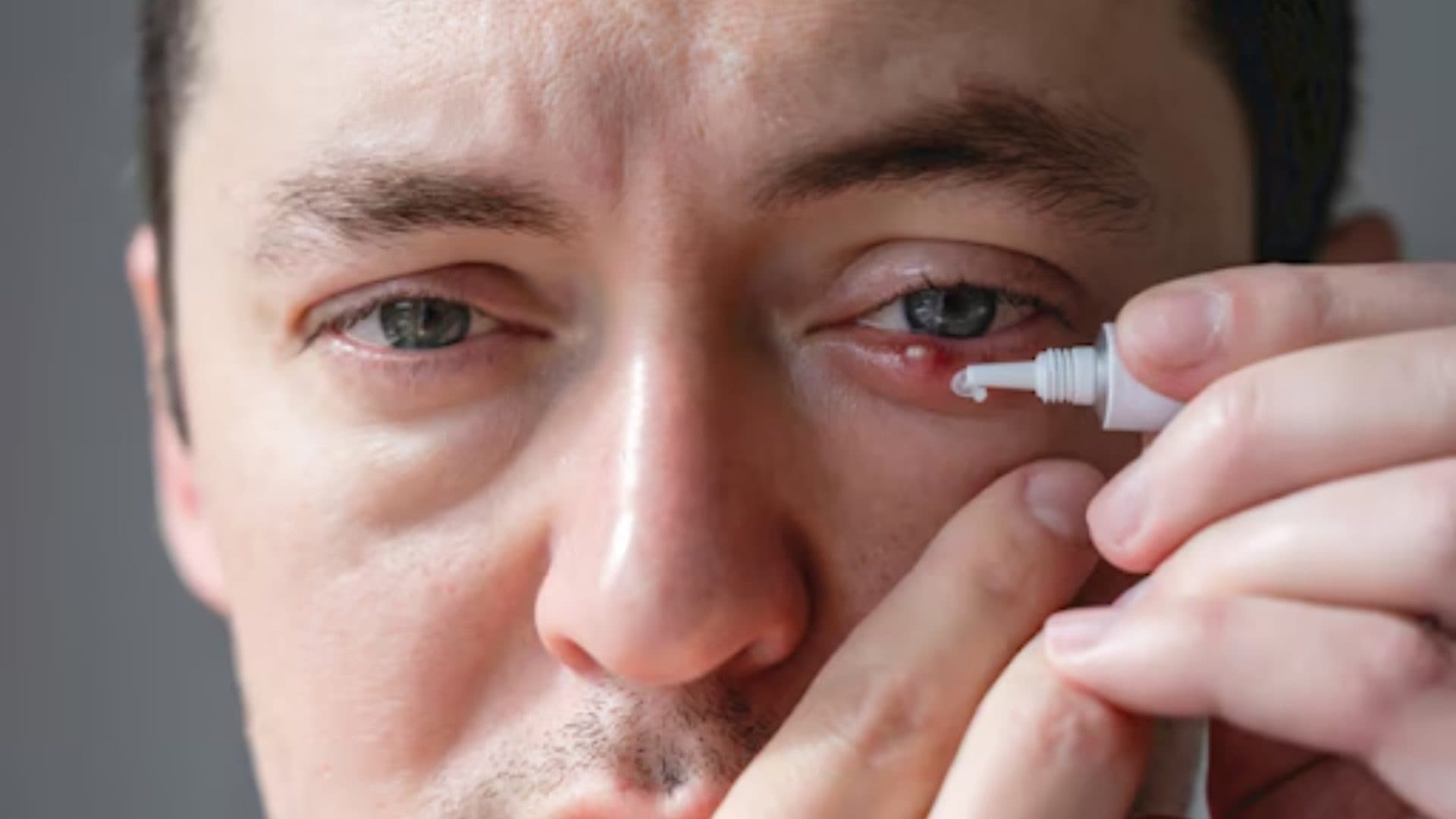
A chalazion is a small, slowly developing lump or cyst that forms within the eyelid. Although multiple chalazia can clear up naturally with home treatment, some may continue to exist and might need medical attention. When basic treatments such as warm compresses and medications do not work after several months, surgical intervention becomes essential.
A chalazion happens when a meibomian gland, located at the edge of the eyelid, becomes blocked or inflamed. These glands create oils that help lubricate the eyes. Chalazia (the plural of "chalazion") typically heals on its own within a month, but certain at-home methods can help ease discomfort and promote quicker recovery.
If a chalazion becomes too large, it might start to press on the eyeball, causing blurred vision. If it doesn't go away and continues to grow, a doctor may recommend Chalazion surgery.
Read on to learn more about chalazion healing stages.
Chalazion Healing Stages
The healing process for a chalazion can vary from person to person. Here’s a breakdown of the specific stages:Stage 1 - Inflammation Stage
Initially, the body reacts to the blocked gland by causing a small red, swollen area on the eyelid.Stage 2 - Growth Stage
As the gland continues to produce oil that can’t escape, the chalazion may grow over a few days to weeks. Although the bump usually isn’t painful, it may become more noticeable.Stage 3 - Stabilisation Stage
Eventually, the chalazion stops growing, and its size levels off. The redness and swelling often decrease as inflammation reduces.Stage 4 - Resolution Stage
Over time, the chalazion may be absorbed by the body, leading it to shrink into a smaller lump. This process could take weeks or even months to finish.Stage 5 - Healing Stage
Once the chalazion has resolved or become very small, the eyelid should look and function normally again. There may be a tiny leftover bump, but it typically won’t cause pain or affect vision. If the chalazion doesn’t improve, is very uncomfortable, or affects your vision, medical help might be necessary. Treatment options can include warm compresses or minor surgery to drain and remove the chalazion. For a proper diagnosis and treatment plan, it is best to speak with an eye care specialist.At-Home Care for Chalazion Healing
A chalazion appears as a swollen, red bump on your eyelid. While it may feel tender when touched, it usually isn’t painful. To treat a chalazion at home, warm compresses are the most effective remedy.- Take a clean washcloth and soak it in warm-to-hot water.
- Squeeze it out to remove excess water, ensuring it doesn’t drip.
- Let the washcloth cool to a warm, comfortable temperature.
- Press the warm washcloth against your eyelid for 10 to 15 minutes. If it cools down too much, just soak it again and repeat.
- While holding the compress, gently massage your eyelid in a circular motion through the cloth.
- Do this two to four times each day using a fresh washcloth.
Trust your eyes to the experts
- Consult with our doctor-led team for expert, personalised care
- A Care Quality Commission (CQC) rated clinic for your peace of mind
- Achieve a naturally refreshed look with over 25 years of expertise
Healing After Chalazion Surgery
If a chalazion doesn't improve with standard treatments, surgical removal might be necessary. Chalazion surgery is typically an outpatient procedure, meaning you won't have to stay in the hospital overnight. Usually, the entire procedure takes 10 minutes. During the surgery, your doctor will make a small cut in the affected eyelid to remove the fluid buildup from the chalazion. They may use self-dissolving stitches to close the incision and will provide you with an eye patch or pad to wear home afterwards. Like many surgical procedures, you can expect some swelling and bruising around the area for up to 2 weeks. If the swelling doesn't subside or if the area becomes painful, be sure to inform your doctor. You may notice a pale reddish fluid leaking from the incision for a day or two. However, if you see yellow or thick fluid, you should contact your doctor, as this could indicate an infection. If everything goes well and there are no complications like an infection, your eyelid should return to its normal appearance within 2 weeks after surgery, and the stitches will dissolve on their own during this time.Conclusion
A chalazion is a frequently occurring lump on the eyelid that results from an obstructed oil gland, leading to a swollen and painless bump. Although many chalazia can resolve naturally with at-home care, some may persist and require medical treatment. If conservative methods, such as warm compresses and medications, do not show improvement after several months, surgical removal may become necessary. If you are wondering how long does a chalazion last-the answer can vary, but many resolve within a few weeks to months with appropriate care. The treatment and recovery process is generally quick and effective, helping to restore the normal appearance and function of the eyelid.Good to know
Frequently asked questions
Still unsure? Our team is glad to talk you through anything before you book.
- You can tell a chalazion is healing if it gradually gets smaller. If a chalazion doesn't decrease in size after a few weeks, it's unlikely to heal quickly without medical treatment.
- Most chalazions clear up on their own within a few weeks to a month with minimal medical intervention. To help speed up the healing process, apply warm compresses to the eyelid for 10 to 15 minutes, 4 to 6 times a day. This can help soften the hardened oil blocking the glands and allow for drainage.
- After healing, you might notice some lost eyelashes or a small notch along the eyelid's edge. In rare cases, a chalazion may leave a tiny scar on the eyelid skin.
- Most chalazia respond well to home treatment. Applying warm, wet compresses for 5 to 10 minutes, 3 to 6 times a day, can help the area heal faster. This method can also help open a blocked pore for drainage.
- Makeup can block the openings of the meibomian glands, preventing the chalazion from resolving and potentially causing more to form. It's advisable to replace mascara, eyeliner, and eye shadow every three months during a chalazion to avoid bacterial contamination.
- A chalazion can become infected if bacteria enter the oil gland, turning it into a stye. In such cases, the lump may become painful and swell more.
- Most chalazions heal within a week, but untreated ones can take up to six weeks to resolve. In rare situations, a chalazion may become permanent, and surgical removal might be necessary.
- Recovery from chalazion treatment typically takes 1 to 2 days. During this time, it's best to avoid strenuous activities, but you can usually return to normal activities the following day. The treated area heals quickly, and any mild discomfort typically goes away within a few days.