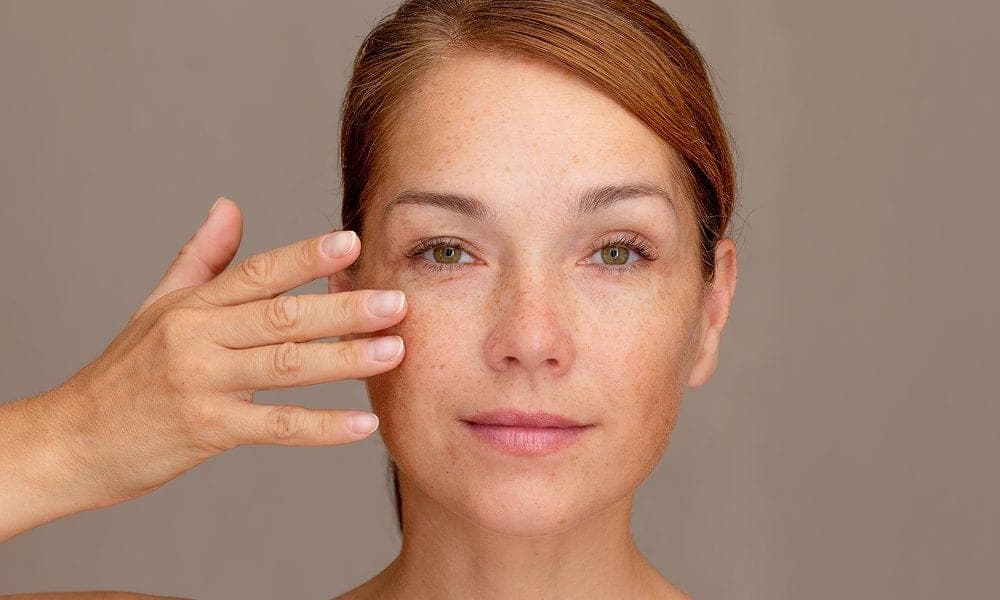
Our eyes tell our story. They reflect how refreshed, energetic, and balanced we appear, sometimes even more than our smile. Over time, gravity, skin laxity, and muscle descent may cause the outer corners of the eyes to droop slightly. This can make us look tired, even when we’re not.
That’s where the popularity of the fox eye trend began. First seen on fashion icons and paired with lifted brows, it introduced an elegant visual line that opens the eye area and lengthens the face. However, unlike makeup illusions that wash away, clinical fox eye surgery provides more durable structural enhancement, whether surgical or nonsurgical.
Let’s explore the science, artistry, and personal considerations behind one of today’s most modern aesthetic procedures.
What Are “Fox Eyes”? Anatomy & Aesthetic Goals
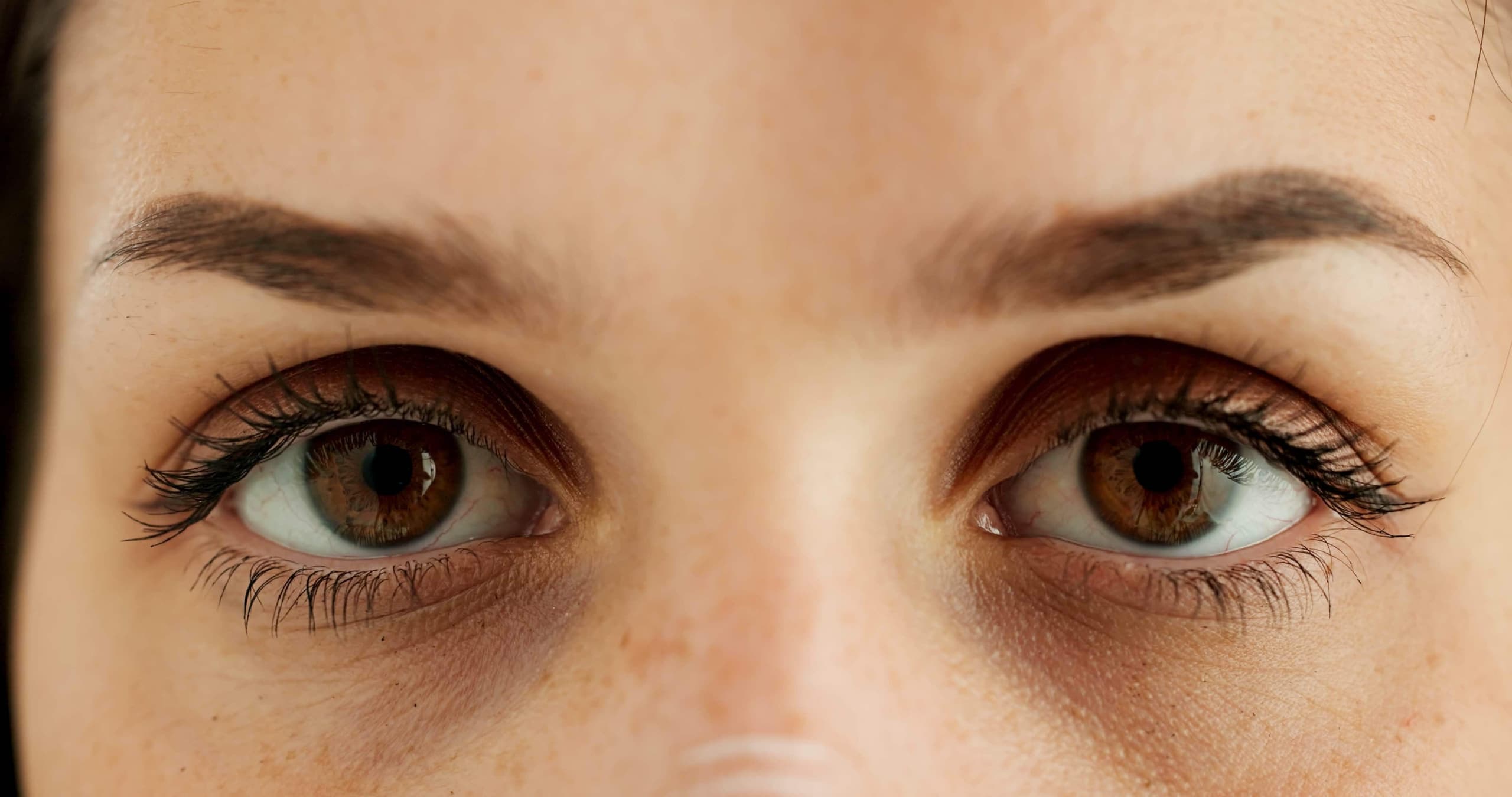
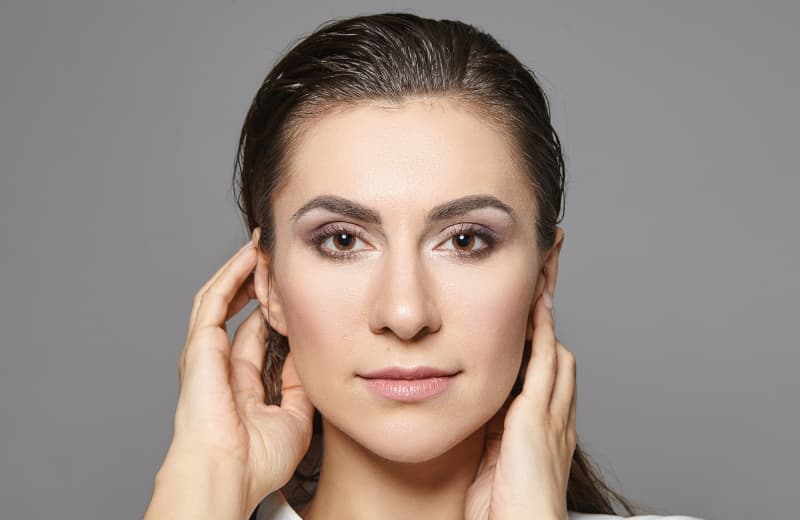
The term “fox eyes” describes an almond-shaped, gently upturned eye appearance inspired by the captivating gaze of a fox, sharp yet soft, confident yet understated. The fox eye lift doesn’t just modify one facial point; it’s a delicate balancing act involving the brow tail, outer eyelid, and lateral canthus (the eye’s outer corner).How Eyebrow Shape, Lateral Canthus, and Orbital Fat Create the Look
- Eyebrow shape: The outer third of the brow is subtly elevated, following a slightly diagonal line rather than a pronounced arch. This creates visual lift and smoother eyelid contours.
- Lateral canthus: Tilting this point just a few degrees upward elongates the eyes horizontally, creating that almond shape associated with fox eyes.
- Orbital fat and bony structure: Balanced fat positioning helps define and support the contour. Excess fat can make the lid heavy; too little can cause hollowness. A refined fox eye surgery maintains natural fullness and prevents a harsh look.
Who Is a Good Candidate
Ideal candidates for fox eye surgery include:- Adults with mild to moderate sagging around the brow, tail or upper eyelid.
- People with hooded outer eyelids, where makeup can’t easily lift the eyelids.
- Younger patients desiring a lifted eye contour for aesthetic refinement.
- Individuals whose facial proportions align with an elongated eye shape.
Common Surgical Techniques to Create Fox Eyes
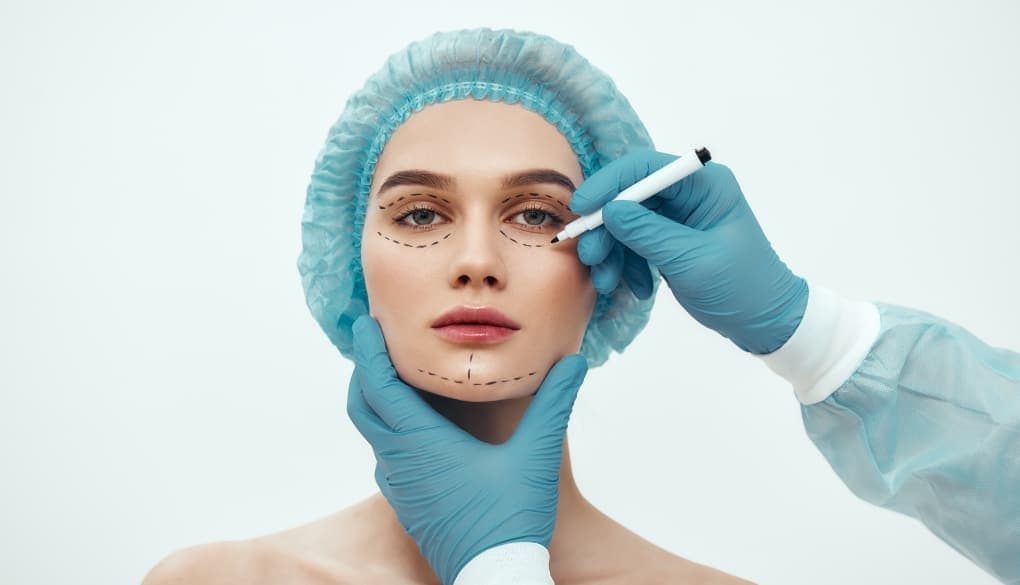
Fox eye surgery isn’t a single technique; it’s often a customised fusion of methods that reshape and support tissues around the eye’s outer corner.01. Lateral Canthoplasty / Canthopexy
These are cornerstone procedures in creating fox eyes.- Lateral Canthopexy: Reinforces existing tendon structures around the outer eyelid, subtly tightening them to achieve lift. It’s ideal for minor drooping or when minimal correction is desired.
- Lateral Canthoplasty: Involves surgically adjusting the canthal tendon position for stronger elevation. It provides a more defined, lasting fox eye result.
02. Lateral Brow Lift (Open vs Endoscopic)
The brow tail heavily influences how the eyes appear. A slight lift here can dramatically rejuvenate the entire upper face.- Open lateral brow lift: Uses a small incision hidden along the hairline. It’s often selected when skin laxity or asymmetry is visible.
- Endoscopic brow lift: Uses a camera-guided approach through minimal incisions within the scalp. It allows precise vector control with quicker healing and minimal scarring.
03. Tailored Fat Removal or Repositioning Around the Eye
Too much fat under the brow can overshadow the eyelid; too little can make eyes appear sunken. During fox eye surgery, the surgeon may gently sculpt the fat pad to recontour the eye's smoothness. Precise fat management ensures harmony between lid height, brow volume, and temple slope.04. Thread Lifts and Support Sutures in Surgery
Even in surgical fox eye lifts, dissolvable support threads may be used to maintain lift integrity during the healing process. They reinforce upward tension and enhance stability for early results while tissues naturally reattach.Non-Surgical Options (Temporary or Adjuncts)
Not everyone needs surgery to achieve fox eyes. For those wanting temporary or trial improvements, non-surgical forehead lift techniques offer alternatives with minimal downtime.01. PDO / Thread Lifts (Fox Eye Threads)
This popular option uses fine threads inserted under the skin to elevate the outer eye and brow tail. Once placed, the threads anchor tissues upward and stimulate collagen production along the direction of the vector line.Results typically last around 9 to 12 months, depending on skin type and lifestyle. Ideal for patients in their 20s to 30s or those hesitant about undergoing surgery.02. Injectables for Lateral Eyebrow Lift
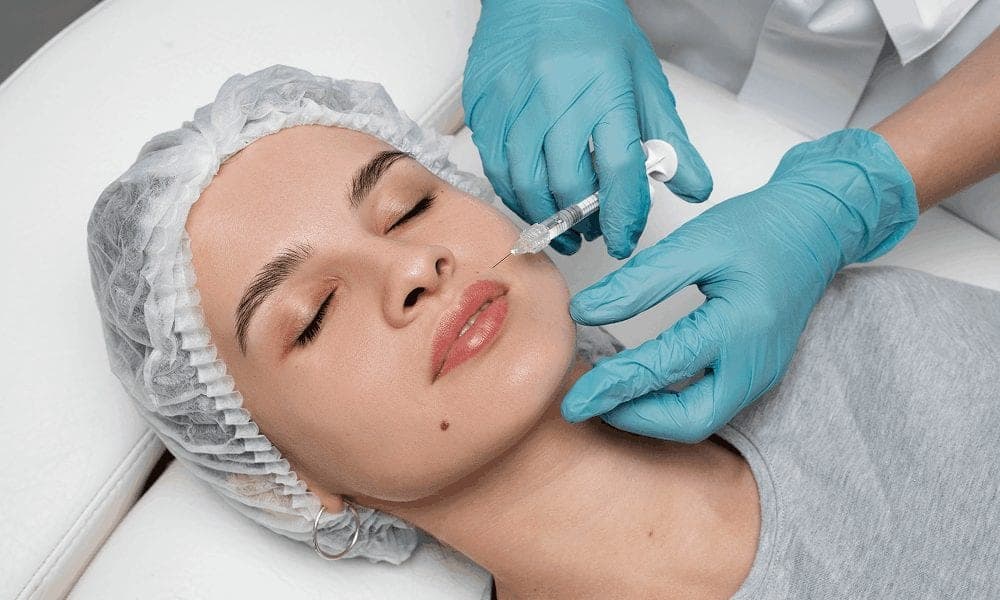
Neurotoxin injections can lift the brow tail by relaxing muscles that pull the eye corner downward. When precisely placed, this technique provides subtle symmetry correction and quick rejuvenation that lasts 3-5 months.03. Fillers and Skin Tightening Devices
Dermal fillers restore contour under the brow or temple area, while radiofrequency and ultrasound-based devices (like RF microneedling or HIFU) promote skin firmness. Though their lifting effects are mild, combining them helps maintain surgical results or delay the need for more invasive procedures.
Trust your eyes to the experts
- Consult with our doctor-led team for expert, personalised care
- A Care Quality Commission (CQC) rated clinic for your peace of mind
- Achieve a naturally refreshed look with over 25 years of expertise
What Happens During the Surgery? Step-by-Step
Although the technique varies, most fox eye surgeries follow a general structure to ensure safe and predictable outcomes.01. Anaesthesia Options and Operative Time
Fox eye surgery is performed under local anaesthesia with sedation or full general anaesthesia if combined with other facial procedures.A standalone fox eye lift typically takes 1 to 2 hours. Additional time may be required for endoscopic brow work or skin tightening.02. Typical Incisions, Sutures, and Intra-Operative Checks
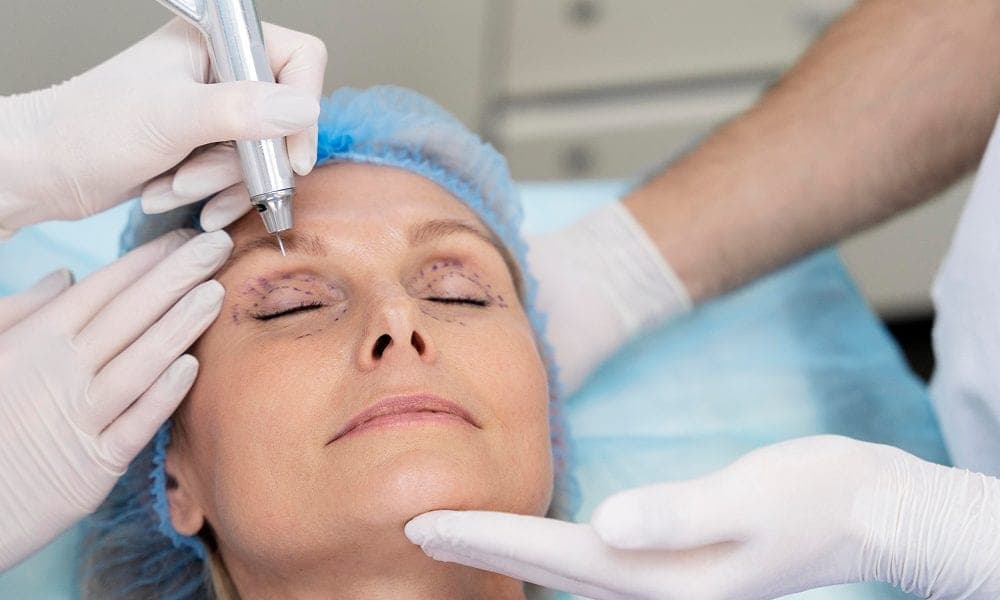
Small, discreet incisions are made either in the upper eyelid’s crease, near the lateral corner, or just behind the hairline. Through these access points, the surgeon locates and adjusts the outer canthal tendon before securing it in a slightly uplifted position. Tissues are re-draped to ensure smooth transition lines from the eyelid to the temple region. Before closure, both eyes are always re-examined for symmetry in height and natural movement. Sutures are usually removed in 5-7 days.Recovery, Downtime, and Aftercare
Healing timelines vary per person, but generally follow these patterns:01. Expected Swelling, Bruising Timeline, and Care Tips
Mild to moderate swelling is normal in the first few days. Applying cold compresses regularly within the first 48 hours can help reduce swelling.Bruising peaks around day two or three and fades by the end of the week. Doctors often recommend sleeping with your head elevated to reduce facial puffiness. Avoid rubbing or stretching the outer corners during the initial healing period.02. When to Return to Work, Exercise, Makeup
- Work: Light desk jobs can resume within a week.
- Exercise: Non-strenuous activities after two weeks; avoid heavy lifting for three.
- Makeup: Eye makeup can be applied after 10-14 days once incisions close and bruising diminishes.
Risks, Complications and How They’re Managed
While fox eye surgery is safe in qualified hands, awareness of potential complications is vital.01. Asymmetry, Scarring, Eyelid Malposition, Nerve Issues
- Asymmetry: Slight height differences are normal in healing, but major imbalance can be corrected post-op if necessary.
- Scarring: Tiny scars fade well when incisions are well placed and managed with silicone ointments.
- Eyelid malposition: Over-tightened corners can be adjusted with minor surgical revision.
- Nerve sensitivity: Temporary numbness around the temple area is common and resolves in weeks.
02. Signs to Seek Urgent Review
Severe pain, sudden redness, vision changes, or excessive swelling should be reported immediately to your surgeon for prompt evaluation. Early intervention ensures proper healing and lasting results.Results: How Long They Last and When to Expect Final Outcome
Longevity for Surgical vs Non-Surgical Methods
- Surgical fox eye lift: Typically sustained for 5-7 years before natural aging softens tissue tension.
- Combined brow lift surgery: Results may exceed 10 years when reinforced with collagen renewal treatments.
- Thread or injectable lifts: Typically last from 6 to 18 months depending on lifestyle and skin quality.
Touch-ups and Maintenance Treatments
Your surgeon may suggest non-surgical maintenance like PDO threads or radiofrequency sessions once a year to keep tissues firm. Some patients choose minor touch-up surgery after several years to refresh the result without repeating the full procedure.Conclusion
Fox eye surgery stands out as one of the most precise and artistic procedures in modern aesthetic medicine. It combines surgical skill, anatomical understanding, and aesthetic vision to lift the outer eye and brow for a youthful, elongated gaze. Whether achieved through minor thread lift adjustments or a well-planned surgical approach, the key lies in customisation. No two faces share the same symmetry or lift vector, and your results should reflect your individuality. With realistic goals, excellent surgical care, and proper aftercare, a fox eye lift delivers subtle empowerment through refined detail - and confidence that shines through your eyes.Good to know
Frequently asked questions
Still unsure? Our team is glad to talk you through anything before you book.
- Surgical results can last several years, though aging continues naturally. Longevity depends on technique, skin type, and genetics.
- Most patients experience mild discomfort for a few days, manageable with prescribed medication. Swelling feels more like tightness than pain.
- You can typically return to routine tasks in 7-10 days, but full healing and refinement appear over 2-3 months.
- Thread lifts mimic the fox eye lift temporarily. They’re suitable for patients seeking mild lift or avoiding incisions but do not replicate the long-lasting surgical outcome.
- Risks include bruising, asymmetry, temporary numbness, or mild scarring. Choosing a specialist reduces complications and ensures safe results.