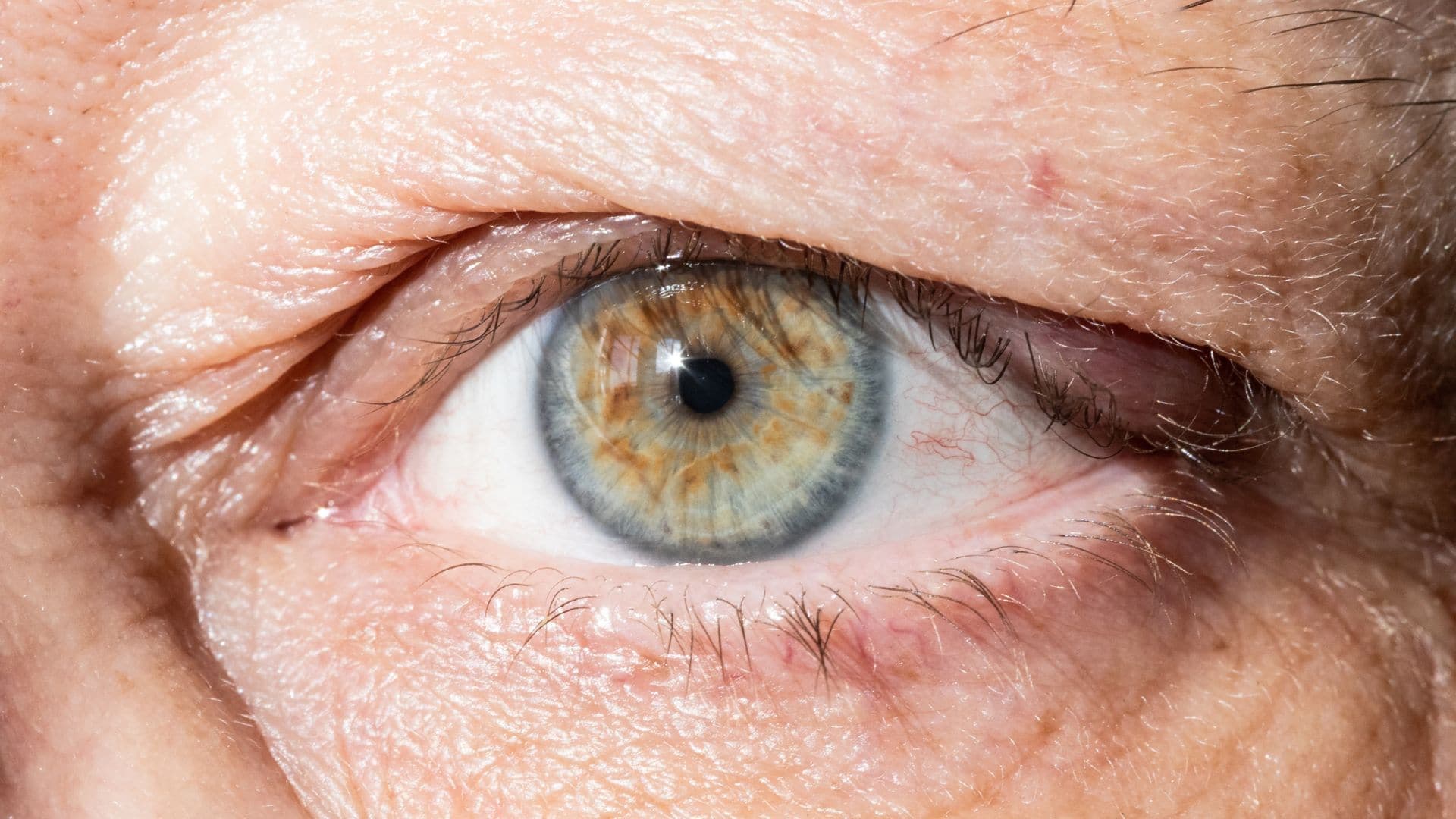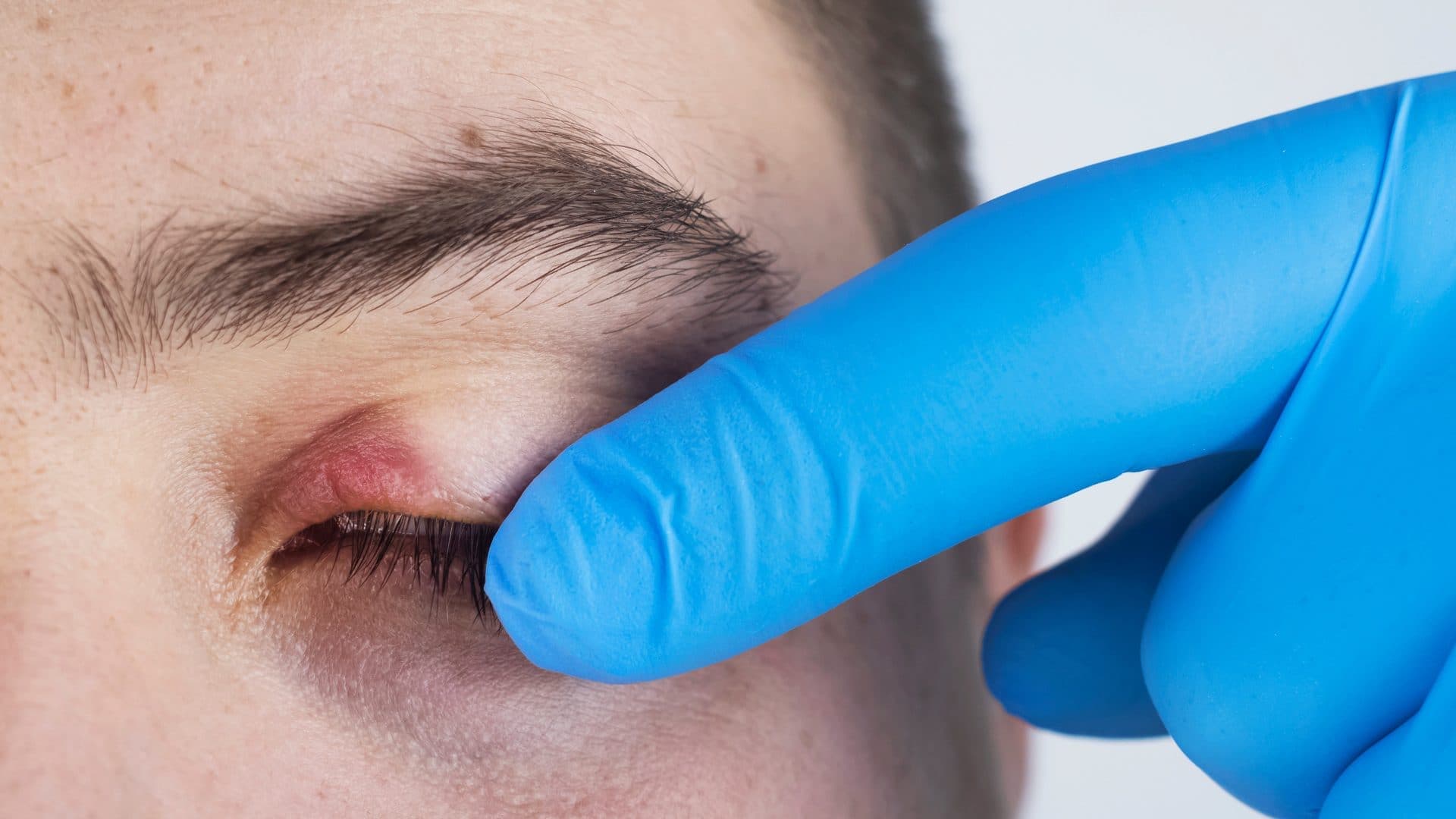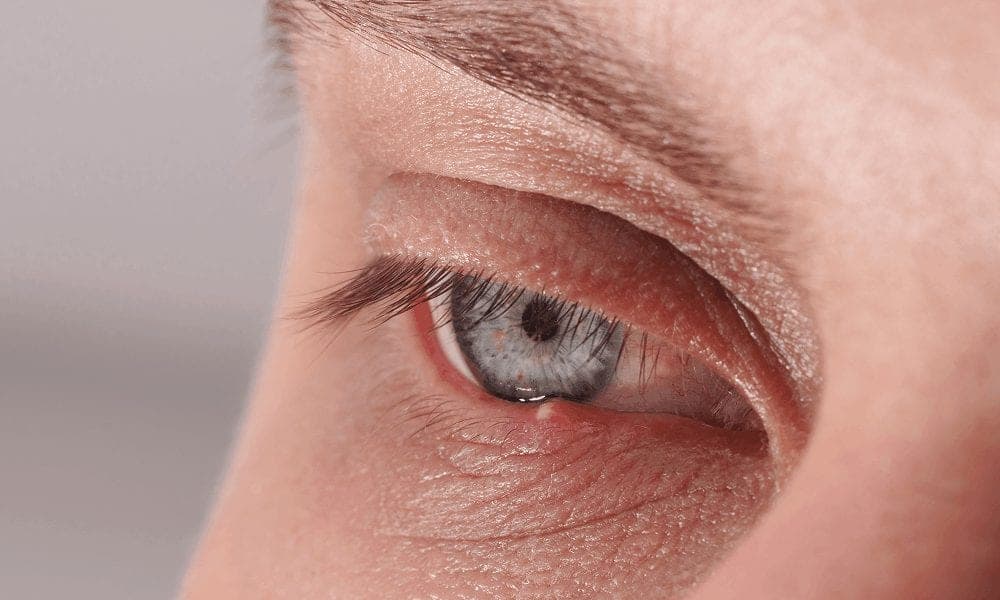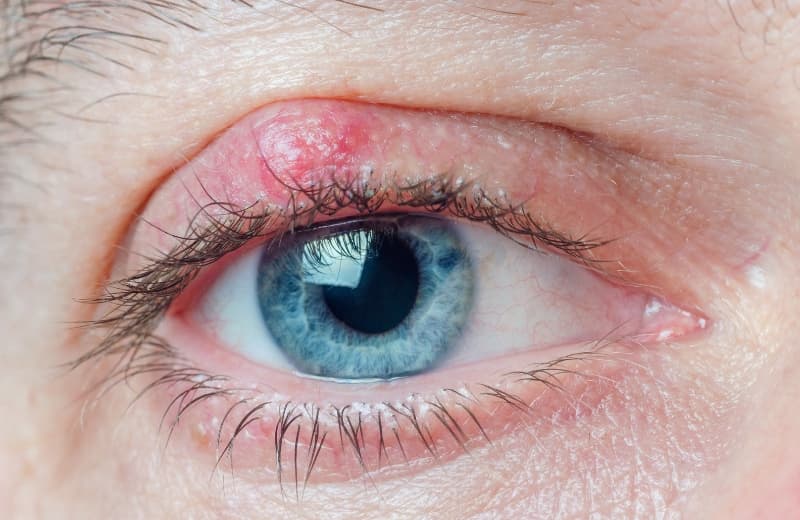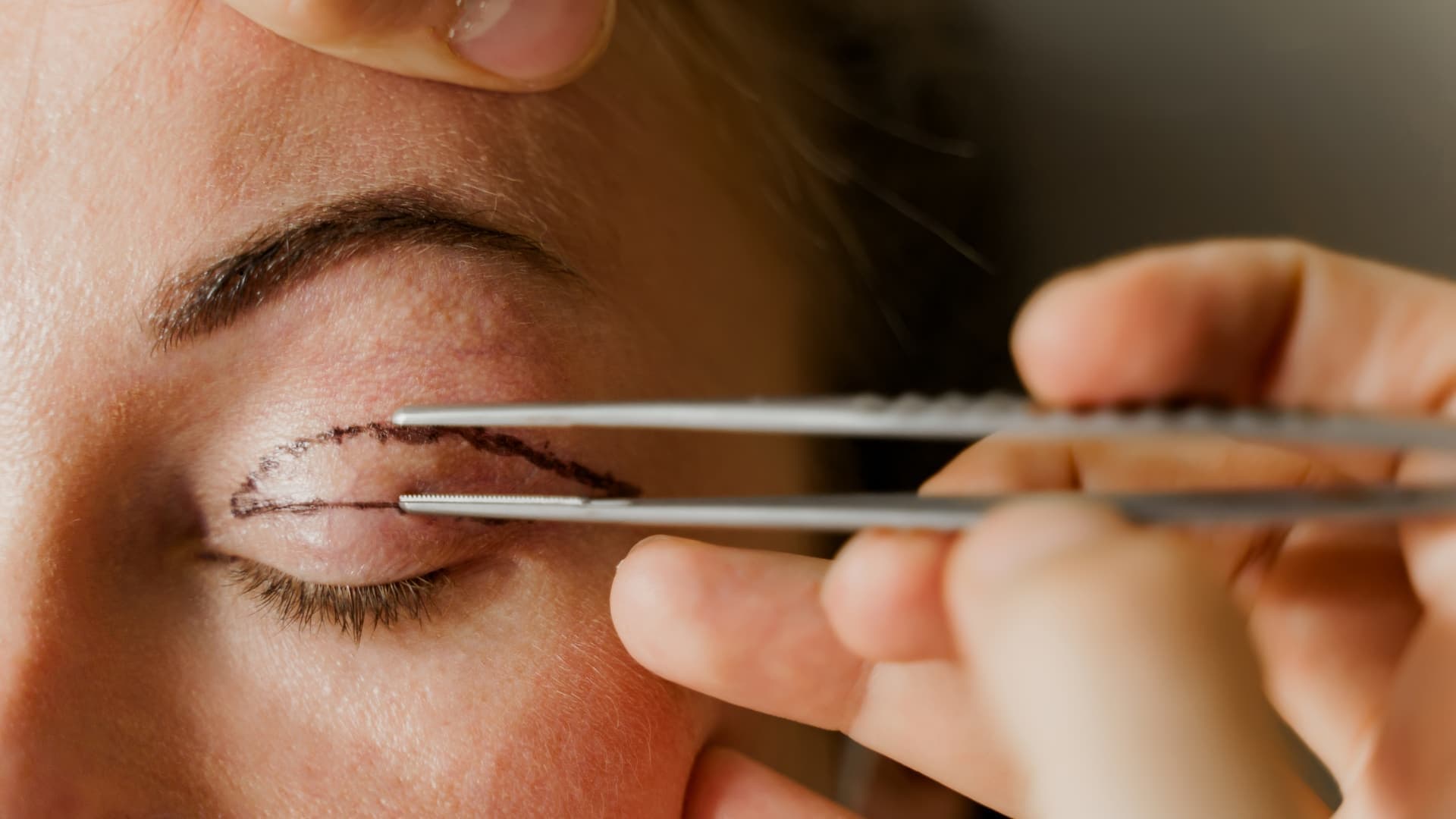
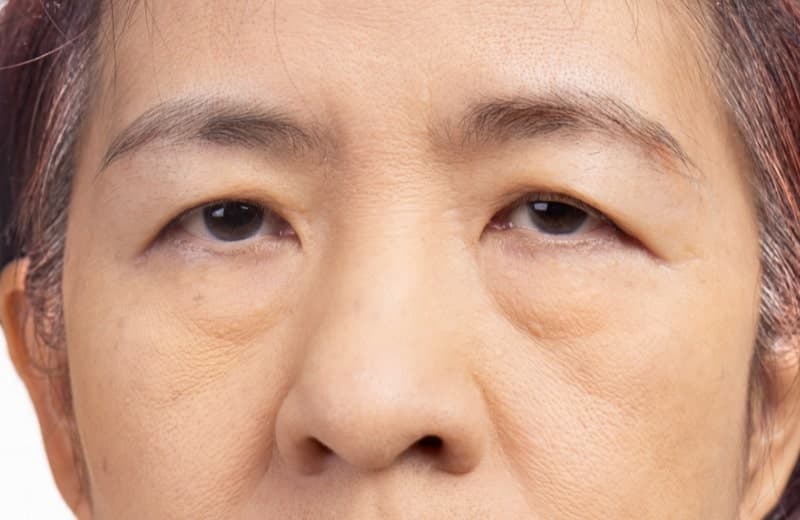
Droopy eyelids occur when the upper eyelid sags more than usual. This can be due to the eyelid itself sitting lower than normal (ptosis) or because of extra loose skin on the eyelid (dermatochalasis). In many cases, both issues occur together.
This condition can affect vision and may cause other problems. Some people are born with it (congenital), while others develop it over time. Fortunately, there are treatment options available. Let’s take a closer look at the causes, symptoms, and solutions.
Symptoms of Sudden Droopy Eyelids
If you experience sudden eyelid drooping, you may notice the following symptoms:- One or both eyelids droop - The upper eyelid may sag lower than usual.
- The eyelid covers part or all of the pupil - This can obstruct vision, depending on how much the eyelid droops.
- Vision is affected, especially in the upper field of vision - You may struggle to see objects above eye level.
- Eye strain - Keeping the eyes open may feel tiring or require extra effort.
- Eyebrow ache - The muscles in the forehead work harder to lift the eyelids, causing discomfort.
- Fatigue, particularly when reading - Reading or doing detailed work may feel more exhausting than usual.
- Dry or watery eyes - The eyelid position can disrupt normal tear distribution, leading to dryness or excessive tearing.
- Pain around the eyes - Discomfort may occur due to muscle strain or underlying causes.
- Headaches - Constant eye strain and overuse of forehead muscles can lead to tension headaches.
- Impaired vision - Severely drooping eyelids can obstruct the pupil, which leads to vision difficulties.
- Cause eye strain - Individuals may experience fatigue or discomfort around the eyes due to the increased effort required to keep the eyes open.
- Affect appearance - Drooping eyelids can give a tired or aged appearance, impacting self-esteem.
Causes of Sudden Droopy Eyelids
Several factors can lead to the sudden onset of droopy eyelids:Neurological Disorders:
- Nerve Damage: Injury or conditions affecting the nerves controlling eyelid muscles can result in droopy eyelids.
- Stroke: Disruption of blood flow to certain brain areas can impair nerve function, leading to eyelid drooping.
- Brain Tumours: Masses pressing on nerves responsible for eyelid movement can cause ptosis.
Muscular Diseases:
- Myasthenia Gravis: It is an autoimmune disorder where the immune system attacks the connection between nerves and muscles, leading to muscle weakness, including in the eyelids.
- Muscular Dystrophies: Genetic conditions causing progressive muscle weakness can affect the eyelid muscles.
Trauma:
- Physical Injury: Direct trauma to the eye or surrounding structures can damage muscles or nerves, leading to ptosis.
- Surgical Complications: Procedures involving the eyes or surrounding areas can inadvertently affect eyelid function.
- Upper Face Neurotoxin (Anti-wrinkles treatment): In rare cases, improper placement or diffusion of Anti-wrinkles treatment during forehead or glabellar treatments can affect the muscles that lift the eyelid, leading to temporary drooping.
Medical Conditions:
- Diabetes: Chronic high blood sugar levels can damage nerves, including those controlling eyelid muscles.
- Horner's Syndrome: A rare condition resulting from disruption of nerve pathways from the brain to the face and eye, leading to ptosis, among other symptoms.

Trust your eyes to the experts
- Consult with our doctor-led team for expert, personalised care
- A Care Quality Commission (CQC) rated clinic for your peace of mind
- Achieve a naturally refreshed look with over 25 years of expertise
Diagnosis of Droopy Eyelids
If only one eyelid is drooping, it’s easy to notice by comparing it to the other eye. However, when both eyelids are affected, or the drooping is mild, it can be harder to detect. To find the cause, a doctor will perform a physical examination and may recommend tests such as:- Slit-lamp examination - A detailed check of the eye using a special microscope.
- Tensilon (edrophonium) test - A test to check for myasthenia gravis, a condition that can cause muscle weakness.
- Visual field testing - An assessment to see how much your vision is affected.
When to Seek Medical Attention?
You should contact your doctor or eye specialist if:- Your droopy eyelid is affecting your vision or how you look.
- One eyelid suddenly starts drooping or closing.
- You also have other symptoms like double vision or pain.
- A child has droopy eyelids.
- An adult develops new or quickly worsening eyelid drooping.
Final Thoughts
Sudden droopy eyelids are not just a cosmetic concern but can be indicative of significant health issues. Timely diagnosis and appropriate treatment are essential to address both functional and aesthetic aspects, ensuring optimal eye health and overall well-being.Good to know
Frequently asked questions
Still unsure? Our team is glad to talk you through anything before you book.
- In adults, sudden eyelid drooping (ptosis) often happens when the levator muscle, which lifts the eyelid, stretches or weakens. This can be caused by ageing, an eye injury, or even as a side effect of eye surgery. In some cases, certain medical conditions can also affect the eyelid muscles and lead to ptosis.
- Eyelids can start drooping at any age, but most people begin to notice it after
- Yes, stress can sometimes lead to droopy eyelids. Stress-related eyelid drooping often comes with eyebrow sagging, muscle weakness, and exhaustion.
- Droopy eyelids can affect one or both eyes and may be present from birth (congenital) or develop later in life. Mild cases might improve on their own, but more severe cases may need medical treatment.
- In some cases, ptosis can affect vision and lead to other complications. If your drooping eyelid is causing problems, it’s best to see an eye specialist to explore treatment options.