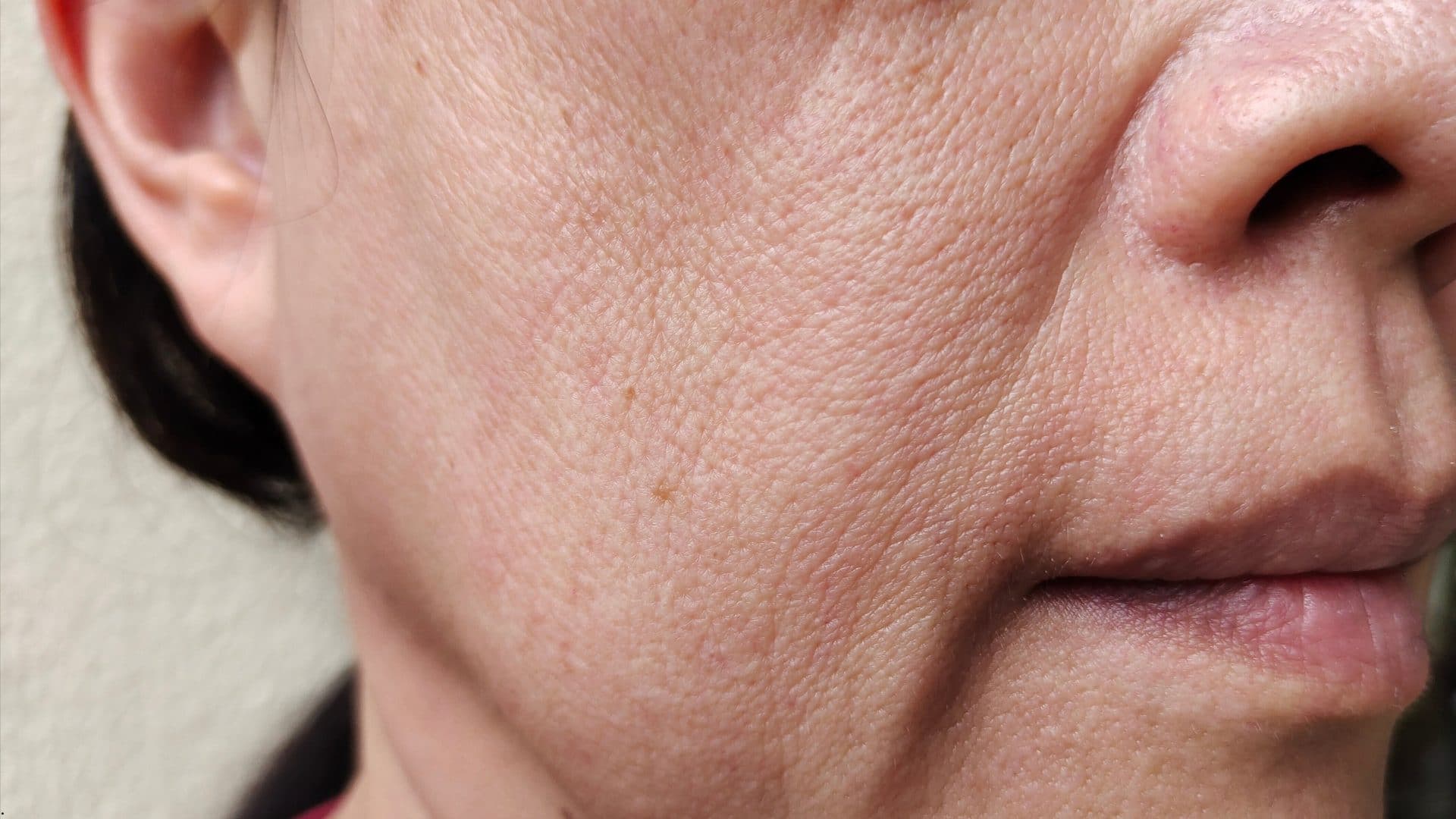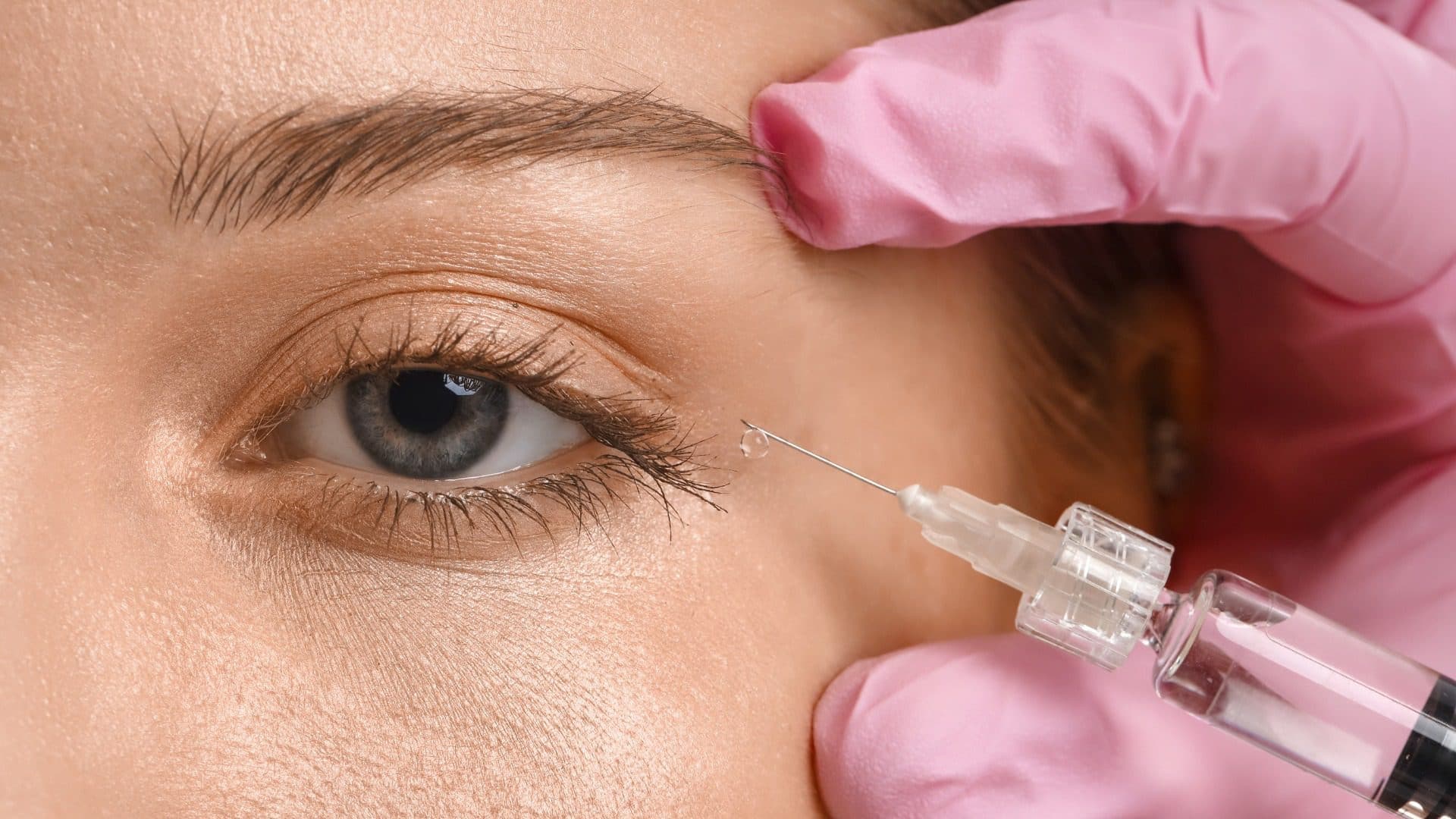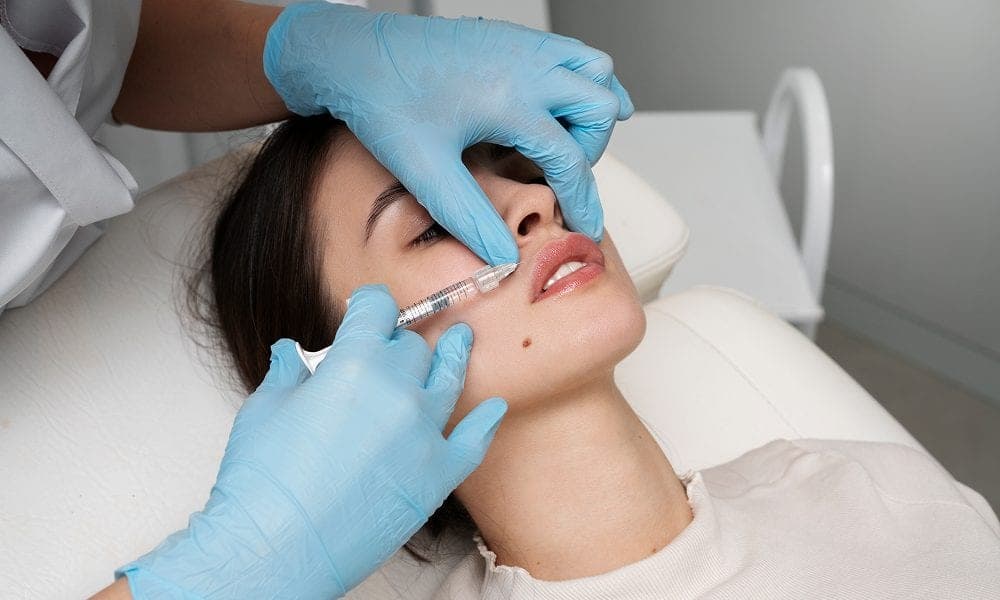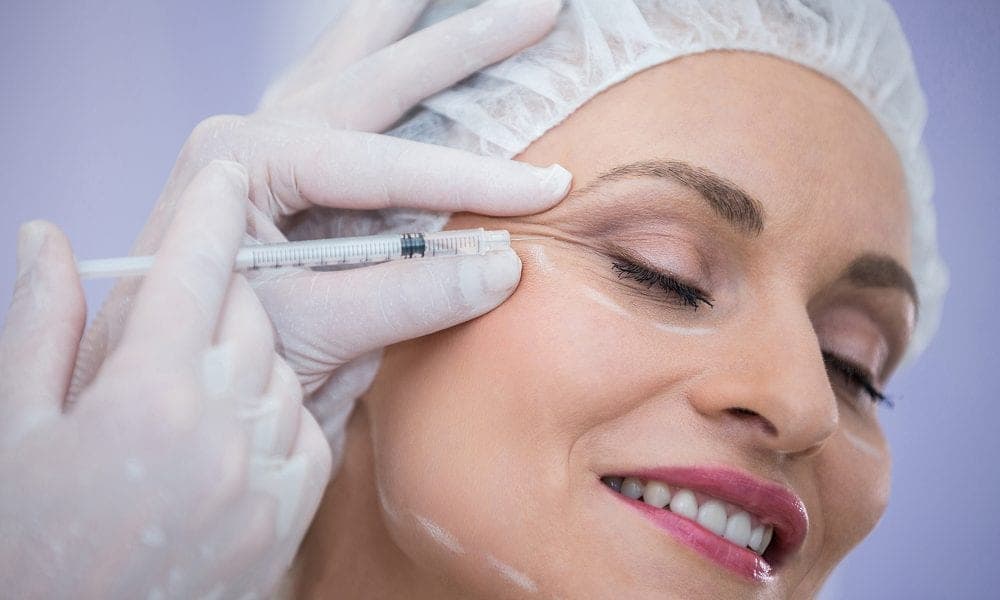
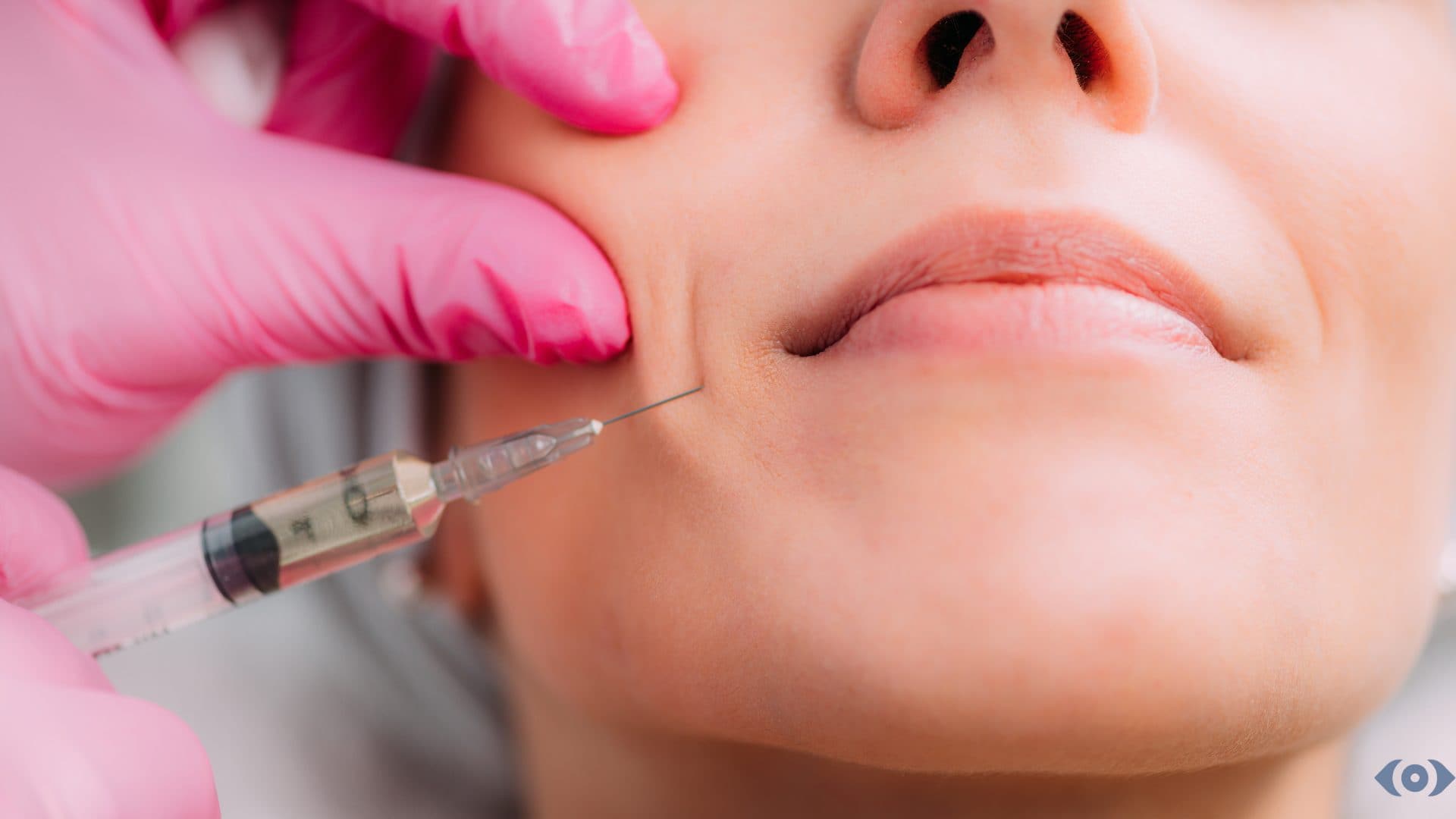
Marionette lines are those that go from the corners of your mouth to your chin. They can make your face look like a puppet and are usually a sign of ageing skin. Using fillers can help lift these lines and make the skin look younger and fuller in that area.
However, not all treatments go as planned. Poor injection techniques, incorrect filler placement, or using too much product can lead to unnatural results or even serious complications. In some cases, fillers may migrate, create lumps, or cause infection. While most side effects can be corrected, understanding the risks is crucial for anyone considering marionette line fillers.
Signs That Your Marionette Line Filler Has Gone Wrong
If you’ve had filler treatment for marionette lines, it's important to watch for any unusual changes in the treated area. While most procedures go smoothly, complications can happen. Here are some signs that your filler might not have settled properly or that something has gone wrong:-
Localised Swelling and Bruising
-
Filler Migration
-
Skin Infection
-
Tenderness or Pain
-
Overfilled Appearance
Common and Rare Marionette Lines Filler Side Effects
Like any cosmetic procedure, marionette line fillers come with some side effects. Most are mild and temporary, but in rare cases, more serious complications can occur. Here’s what you should know:Common and Temporary Side Effects
- Bruising, Swelling, Redness, and Tenderness: These are the most common reactions after treatment. The skin may feel sore or appear slightly swollen for a few days, but these effects usually fade within a week.
- Itching: Some people experience mild itching at the injection site, which typically goes away on its own.
- Lumps or Irregularities: Small lumps may form under the skin, but they often settle over time or can be gently massaged to smooth out.
Less Common but Possible Complications
- Infection: Though rare, an infection can develop if bacteria enter the injection site. Signs include redness, warmth, and swelling that worsens over time.
- Allergic Reactions: Some individuals may have an allergic response to the filler material, leading to swelling, itching, or rash.
- Uneven Results: If the filler isn’t placed evenly, it can create asymmetrical or bumpy results, requiring touch-ups or adjustments.
- Nodules: Hard lumps or nodules may develop under the skin, sometimes appearing weeks or months after treatment.
- Vascular Occlusion: In very rare cases, the filler can block a blood vessel, causing skin discolouration and pain. This is a medical emergency that requires prompt attention.

Trust your eyes to the experts
- Consult with our doctor-led team for expert, personalised care
- A Care Quality Commission (CQC) rated clinic for your peace of mind
- Achieve a naturally refreshed look with over 25 years of expertise
How to Fix Botched Marionette Filler?
A poorly done marionette line filler treatment can result in lumps, asymmetry, puffiness, or even make the lines look worse. This usually happens due to overfilling, incorrect injection techniques, or using the wrong type of filler. If your filler looks unnatural or has migrated, don’t worry - there are ways to fix it. A qualified injector can assess the issue and recommend solutions like a gentle massage, dissolving the filler with hyaluronidase, or corrective treatments. The sooner you address the problem, the better the chances of achieving a smoother, more natural result.Summary
Marionette line fillers can effectively smooth wrinkles and restore a youthful look, but results depend on proper technique and expertise. While most side effects are mild and temporary, complications like overfilling, migration or vascular issues can occur. Choosing a skilled injector reduces these risks and ensures natural-looking results. If you experience unusual symptoms, seek professional help immediately. Most issues can be corrected if addressed early.Good to know
Frequently asked questions
Still unsure? Our team is glad to talk you through anything before you book.
- Fillers can help reduce mild to moderate marionette lines, but if not done correctly, they may create an unnatural look or even make the lines more noticeable.
- Common side effects include bruising, swelling, redness, and mild pain at the injection site. These usually go away within a few days after treatment.
- If you're unhappy with the results, talk to your doctor. They can suggest solutions like dissolving the filler or making adjustments with further treatments.
- One major sign of a problem is persistent puffiness that doesn’t go away after the first day. Some swelling is normal, but if it doesn’t improve within 24 hours, you may need to consult a professional.
- You’ll see results immediately after treatment, but mild swelling or bruising may last for a week or two. Most fillers fully settle within two weeks.