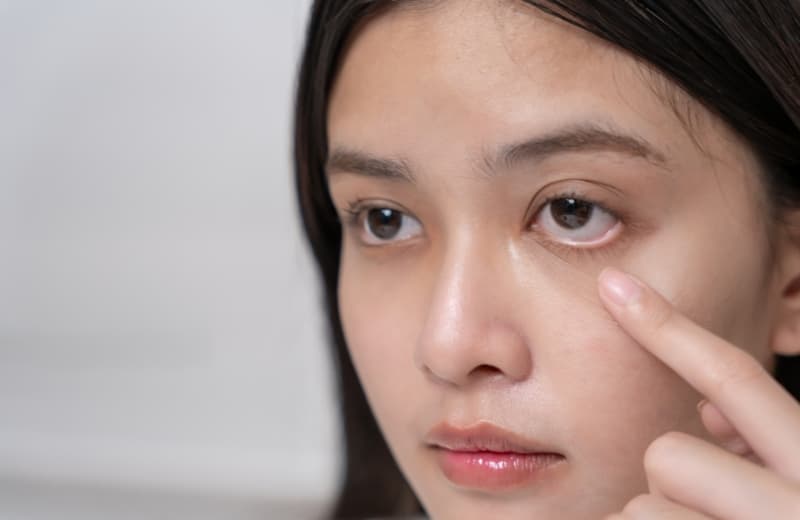
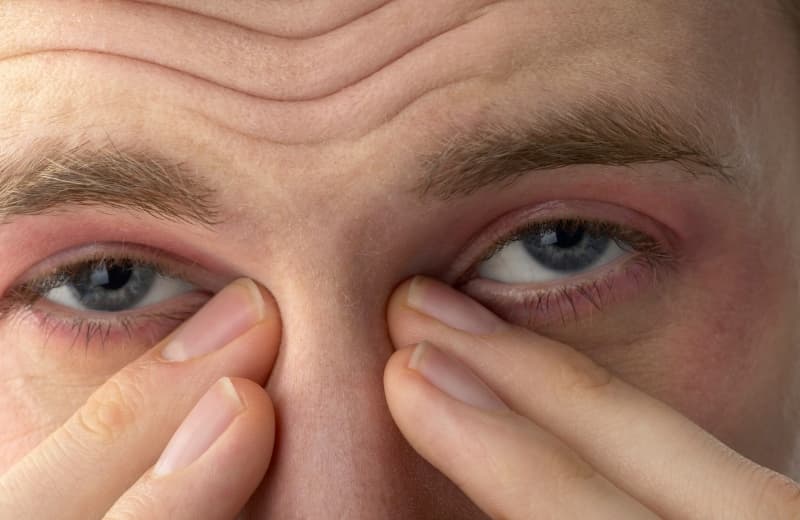
You know the feeling: your eyes suddenly start itching, watering, and stinging, no matter how carefully you try not to touch them. It becomes impossible to focus on work, makeup smudges easily, and you just want to rub your eyes for relief. Itchy, watery eyes are a common complaint, yet they can disrupt daily life in more ways than one.
From seasonal allergies to dry air, there are several reasons your eyes may feel itchy and watery. Understanding why this happens is the first step toward relief.
In this detailed guide, we’ll look at what causes eyes to turn itchy and watery, how to identify whether it’s allergies or an infection, home remedies that can help, clinic treatments that actually work, and ways to prevent future flare-ups.
What Are Itchy Watery Eyes?
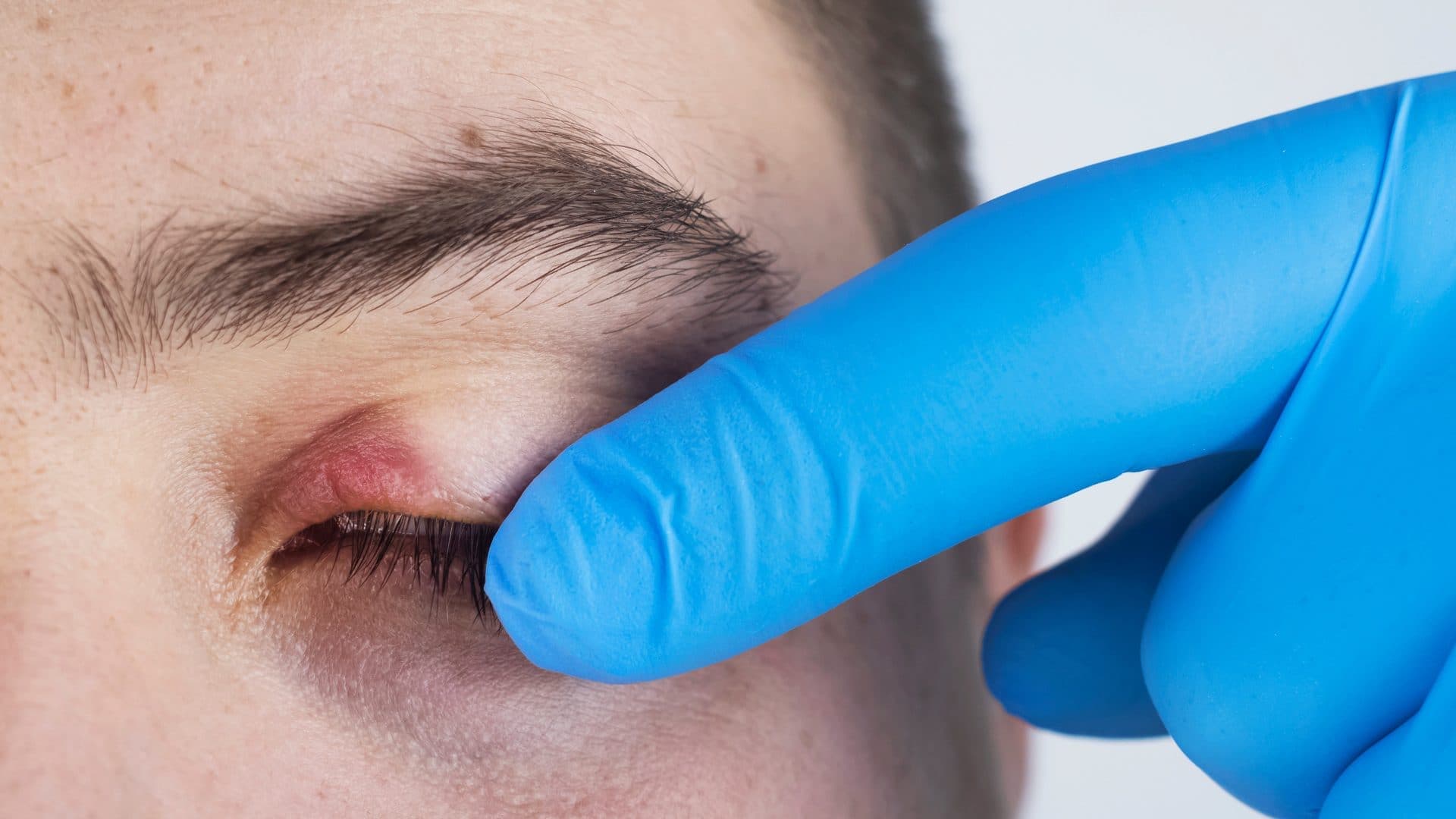
When your eyes are itchy and watery, it means the surface of the eye, called the conjunctiva, is being irritated by something. This irritation triggers an inflammatory response, prompting your eyes to release histamines and tears to wash away the irritant. Some people describe the feeling as having grit or sand in their eyes, while others experience excessive tearing or a burning sensation in their eyes. Terms like “eyes itchy and watery,” “itchy runny eyes,” and “red itchy watery eyes” all refer to the same general irritation of the ocular surface. Itchy watery eyes are often accompanied by mild redness, puffiness around the eyelids, and increased sensitivity to light. While it may seem like a minor discomfort, the problem can persist if untreated and sometimes signal an underlying eye or health issue that needs attention.Common Causes of Itchy Watery Eyes
Identifying the cause is the key to effective relief. Here are the most common culprits that lead to itchy watery eyes:01. Allergies (watery eyes, allergies)
Allergies are among the most common causes of watery, itchy eyes. When your body is exposed to allergens such as pollen, dust mites, pet dander, or mould spores, it overreacts by releasing histamines. These histamines cause the blood vessels in your eyes to dilate, leading to itchiness, redness, and tearing, collectively known as watery eye allergies. Seasonal allergies are especially common in spring and fall, when pollen counts are high in the environment. Even indoor allergens, such as cleaning sprays, scented candles, or certain fabrics, can trigger reactions.02. Infections (conjunctivitis)
An eye infection, such as viral or bacterial conjunctivitis, can also result in red, itchy, watery eyes. Conjunctivitis, often referred to as “pink eye,” inflames the thin tissue that covers the white part of your eyes, making them irritated and watery. Infections usually come with additional symptoms, such as discharge, crusting of the eyelashes, and swollen eyelids. If both eyes are affected or the irritation doesn’t improve within a few days, it’s wise to see a qualified eye specialist.03. Dry Eyes or Irritation
It might sound surprising, but dry eyes can also cause excessive watering. When your eyes feel too dry, they produce reflex tears to restore comfort. This leads to constant tearing, burning, and itchiness. Factors such as prolonged screen time, air conditioning, windy weather, or simply ageing can disrupt tear production, leaving the eyes irritated and watery.04. Contact Lenses and Eye Makeup
If you wear contact lenses or use eye makeup frequently, you might be more prone to irritation. Old or unclean contact lenses can harbour bacteria, while expired mascaras and eyeliners can cause allergic reactions or block the oil glands of the eyelids. Always wash your hands before handling lenses and replace eye makeup regularly to keep your eyes healthy.05. Environmental Factors (dust, smoke, pollen)
Airborne particles such as dust, cigarette smoke, and pollution can easily irritate your eyes. People living in urban areas or exposed to workplace hazards (such as fumes or chemicals) often experience itchy, watery eyes. Wearing protective eyewear or using air purifiers can help minimise exposure.How to Tell What’s Causing Your Eyes to Be Itchy and Watery
Because different conditions can produce similar symptoms, it’s not always easy to tell whether your itchy, watery eyes are due to allergies, an infection, or dryness. Here’s how you can differentiate:- If your eyes are itchy and watery with sneezing or nasal congestion, it’s likely due to allergies.
- If there’s sticky discharge or your eyes are crusted shut in the morning, an infection like conjunctivitis might be the cause.
- If your eyes burn or feel tired after long hours on the screen, dry eye could be to blame.
Home Remedies and Quick Relief Tips
Mild cases of itchy watery eyes often improve with simple at-home care. These remedies can soothe discomfort and prevent further irritation:01. Use a Cool Compress
Dip a clean cloth in cold water, wring out excess, and gently place it over closed eyes for several minutes. This helps reduce redness and itching by calming inflamed tissue.02. Apply Lubricating Eye Drops
Artificial tears provide moisture and wash away allergens or irritants. Choose preservative-free versions if you use them frequently.03. Clean Your Eyelids Gently
If you have crusting or discharge, clean your eyelids with a mild baby shampoo diluted in warm water. This helps remove debris and unclog oil glands.04. Practice Allergen Control
Keep windows closed on high-pollen days, use HEPA air filters, and wash bedding weekly to lower allergen exposure. Wearing sunglasses outdoors can also shield your eyes from pollen and dust.05. Avoid Rubbing Your Eyes
Rubbing might feel relieving temporarily, but it worsens inflammation and can spread infection if bacteria are involved. Use sterile tissues or wipes instead.
Trust your eyes to the experts
- Consult with our doctor-led team for expert, personalised care
- A Care Quality Commission (CQC) rated clinic for your peace of mind
- Achieve a naturally refreshed look with over 25 years of expertise
Medical Treatments Available at Clinics
If home remedies don’t provide relief, professional treatment ensures faster recovery and prevents complications. An eye specialist or ophthalmologist may recommend the following:01. Antihistamine or Anti-Allergy Drops
When watery eyes and allergies are confirmed, antihistamine drops can block histamine release and relieve itching. Some formulations also reduce swelling and redness.02. Prescription Medication for Infections
In cases of bacterial conjunctivitis, antibiotic drops or ointments are prescribed to clear the infection. Viral conjunctivitis may require supportive therapy until it resolves on its own.03. Lubricating and Anti-Inflammatory Drops
Patients with chronic dry eye or irritation benefit from lubricating or anti-inflammatory drops to restore moisture and comfort. Omega-3 supplements are often recommended alongside treatment.04. Eye Exams and Allergy Testing
At professional clinics, doctors perform comprehensive eye exams to identify the root cause of your symptoms. Allergy testing may also be considered if recurrent watery eyes and suspected allergies are present. This helps tailor a treatment plan suited to your eyes and sensitivities.When to See an Eye Specialist
Itchy watery eyes are rarely dangerous, but some warning signs mean you shouldn’t delay consulting a specialist. Seek care if you experience:- Persistent or worsening red, itchy, watery eyes despite using over-the-counter drops
- Blurred vision, light sensitivity, or pain
- Swelling around the eyes or eyelids that isn’t improving
- Constant irritation interferes with reading, driving, or work
Prevention Tips
Prevention is always better than a cure. Once the irritation settles, adopt these preventive measures to avoid future flare-ups:- Identify and avoid your allergy triggers, such as pollen, animal dander, or strong fragrances.
- Maintain good hygiene, and avoid touching your eyes with unwashed hands.
- Use lubricating drops if you work long hours on screens or in dry environments.
- Keep your home free of dust and change pillowcases frequently.
- Wear sunglasses outdoors to protect against pollen, wind, and debris.
- Follow a balanced diet rich in omega-3 fatty acids and stay hydrated to promote healthy tear production.
Conclusion
Itchy, watery eyes are a common yet often overlooked condition that can significantly impact daily life. Whether triggered by allergies, dryness, or infection, understanding the cause is essential for effective treatment. Simple home remedies like cool compresses and lubricating drops can soothe temporary irritation, but persistent or recurrent symptoms need professional attention. Clinics offer a range of solutions from antihistamine drops to customised allergy management, ensuring long-term eye comfort. If you’ve been struggling with red, itchy, watery eyes or keep wondering, “Why are my eyes itchy and watery all the time?”, don’t ignore it. Relief is possible with the right treatment and regular care from a qualified eye specialist.Good to know
Frequently asked questions
Still unsure? Our team is glad to talk you through anything before you book.
- Allergies, dryness, or infections may cause frequent irritation. An eye checkup helps confirm the cause.
- Yes, allergens like pollen, pet dander, or dust can trigger red, itchy, and watery eyes, especially during seasonal changes.
- Use a cool compress or lubricating drops for quick relief, but avoid rubbing your eyes.
- If your symptoms persist for more than a few days or affect your vision, visit a specialist for proper treatment.
- Yes, expired makeup or dirty lenses can irritate eyes, leading to itchiness and watery discharge.