What is Eyelid Surgery and Its Benefits?
Eyelid Surgery is a surgical procedure also known as "blepharoplasty" that is used to remove extra skin and fat from the upper and lower eyelids. It aims to:- Improve the appearance of droopy eyelids.
- Reduce puffiness around the eyes.
- Address cosmetic concerns for a more youthful look.
- Correct functional issues like vision obstruction due to sagging eyelid skin.
- Removing excess skin and fat from the upper lids.
- Correcting hooded and droopy eyelids.
- Bags under the eyes.
- Wrinkles and sagging skin.
- Excess skin and fluid under the eyelid (malar bags/festoons)
Who Can Benefit from Blepharoplasty?
Candidates for eyelid surgery generally fall into two categories: cosmetic and medical. Those who might benefit include:- Individuals with excess upper eyelid skin affect their appearance.
- Patients with medical conditions like drooping skin or Ptosis that impair their field of vision.
- People experiencing blurry vision due to excess skin.
- Anyone seeking a more refreshed and youthful appearance around the eyes.
- People with tired appearance caused by hereditary factors or age.
- People with Malar bags or festoons
Conditions to Qualify for Eyelid Surgery
Several conditions can make someone a good candidate for blepharoplasty, including:- Eyelid Ptosis: Drooping of the upper eyelids that can impair peripheral vision.
- Excess Skin: Extra skin around the eyes causing a tired or aged look.
- Uneven Eyelids: Uneven upper or lower eyelids due to fat deposits or loss.
- Dark Circles: Prominent dark circles often caused by prolapsed orbital fat
- Malar bags: Moderate to severe festoons can be corrected with lower lid surgery.
How Surgeons Know If You Are a Good Candidate for Eyelid Surgery?
Surgeons evaluate several factors to determine if you're a good candidate for blepharoplasty:- Excess and drooping skin on the upper eyelids causing aesthetic or functional issues.
- Fat pockets or loose skin under the eyes that make you look older or tired.
- Prominent dark circles caused by thinning skin.
- Good overall health and no underlying eye conditions.
- Non-smoking status.
- Realistic expectations about the results.

Trust your eyes to the experts
- Consult with our doctor-led team for expert, personalised care
- A Care Quality Commission (CQC) rated clinic for your peace of mind
- Achieve a naturally refreshed look with over 25 years of expertise
Who is Not a Good Candidate for Eyelid Surgery?
Certain health conditions and factors may prevent you from being a suitable candidate for eyelid surgery:- Serious Eye Conditions: Having severe eye issues like glaucoma or retinal detachment.
- Uncontrolled High Blood Pressure: If your blood pressure isn’t well-managed, it could be risky.
- Uncontrolled Medical Conditions: Health problems like heart disease or diabetes that aren’t properly controlled.
- Unrealistic Expectations: Expecting perfect or unrealistic results from the surgery.
- Severe Dry Eyes: If you have chronic dry eyes, surgery might worsen the condition.
- Allergies to Anaesthesia: If you have a history of severe allergic reactions to anaesthesia.
How to Prepare for Eyelid Surgery?
Preparing for eyelid surgery is important for successful and long lasting results. Below are some important points to consider when getting ready for this procedure:- Refrain from taking aspirin, ibuprofen, or any medications that can increase bleeding before the surgery.
- Quit smoking at least 2 weeks before the scheduled surgery date and 6 weeks after,
- If you are a diabetic, ensure blood sugars are well controlled.
- Arrange for transportation and assistance with daily activities for the initial days after the surgery.
- Ensure that there are no ongoing eye infections before the surgery as they can affect the results and prolong the recovery time.
What to Expect During the Initial Blepharoplasty Consultation
The first step toward deciding if eyelid surgery is right for you is an initial consultation with a plastic surgeon. This meeting is crucial for you and the surgeon to understand the expectations and concerns. Here’s what you can expect during this consultation:
- Medical History Review:
The surgeon will start by reviewing your complete medical history. This includes any past surgeries, current medical conditions, and any medications or supplements you are taking. Informing about any conditions pertaining to the eyes, such as glaucoma, dry eyes, or retinal abnormalities, is crucial.
- Physical Examination:
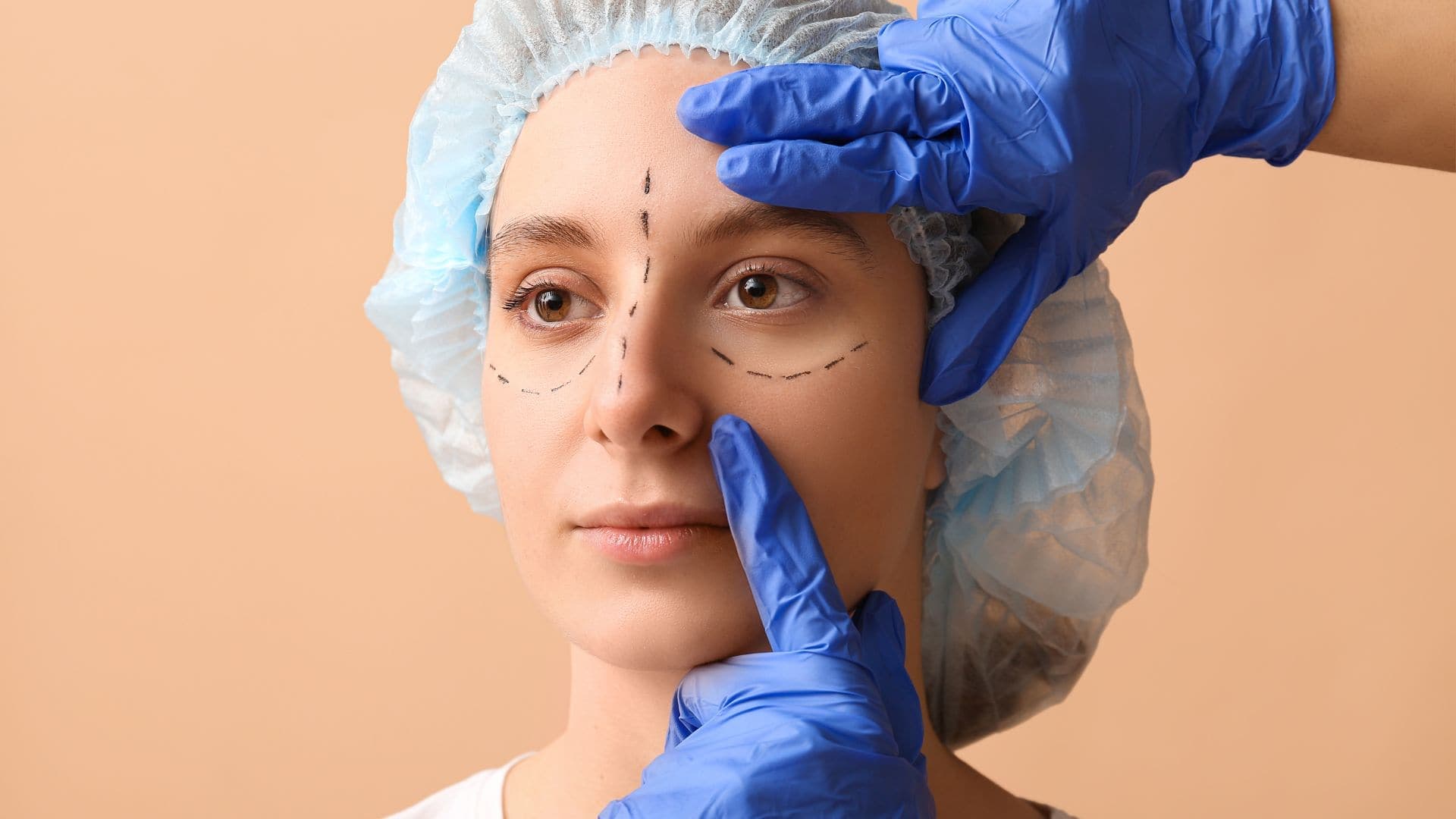
The surgeon will conduct a thorough examination of your eyes and eyelids. They will assess the elasticity of your skin, the amount of excess skin and fat, and the overall symmetry of your eyes. To find out if your peripheral vision is affected by drooping eyelids, they might also examine your vision.
- Discussion of Concerns and Goals:
You’ll have the opportunity to discuss why you want the surgery and what you hope to achieve. Whether your reasons are cosmetic, such as wanting a more youthful appearance, or medical, like improving your field of vision, be clear and specific about your goals.
- Explanation of the Procedure:
The surgeon will explain the procedure details, including how it is performed, what types of anaesthesia will be used, and how long the surgery will take. They will describe the difference between upper and lower blepharoplasty and which one might be suitable for you.
- Review of Before and After Photos:
To give you a realistic idea of what to expect, the surgeon may show you before and after photos of previous patients who had similar procedures. This helps in setting realistic expectations about the results.
Recovery Process After Blepharoplasty
- Swelling, bruising, irritation, or dry eyes are common during the recovery period.
- Cold compresses and eye drops may be recommended by the surgeon to ease these symptoms.
- Most patients can resume regular activities within 10 to 14 days post-surgery while avoiding strenuous physical activities for at least three weeks.
- Temporarily visible scars may appear but usually fade over time with proper care and guidance from the surgeon.
Final Thoughts
Eyelids are considered to be an important aspect of the facial structure. Qualifying for eyelid surgery involves meeting certain criteria related to the health of your eyes and surrounding areas. The easiest method to find out if you qualify for any type of plastic surgery, including eyelid surgery, is to make an appointment with a board-certified plastic surgeon. You can schedule an appointment with Dr Sabrina Shah-Desai to talk about your surgical eligibility. Contact us right now to arrange your consultation!Frequently asked questions
Still unsure? Our team is glad to talk you through anything before you book.
- Eyelid surgery provides long-lasting results but cannot stop the ageing process: Ageing: You may develop excess tissue again as you age. Maintenance: Future procedures may be needed to maintain the desired appearance.
- Eyelid surgery might not be a good idea for people with chronic dry eyes, high blood pressure, circulation problems, thyroid issues, diabetes, or heart disease.
- If your eyes always look puffy, your lower eyelids droop, you find it hard to put on eye makeup, or your vision is affected, you might want to think about getting eyelid surgery or a brow lift. These are both procedures that our reliable and skilled oculoplastic surgeon can help you with.
- Normally, getting an upper lid blepharoplasty doesn't cause pain, and most people feel only a little discomfort while they're healing. The surgery is quite gentle, it's like removing some extra skin, and it usually doesn't make your eyelid hurt a lot.
- Potential risks associated with eyelid surgery include: Infection Anesthesia Reactions Numb Sensation around eyelid/eyelashes Dry Eyes Scarring Bleeding Temporary blur vision Swelling and Bruising Difficulty Closing Eyes Discomfort