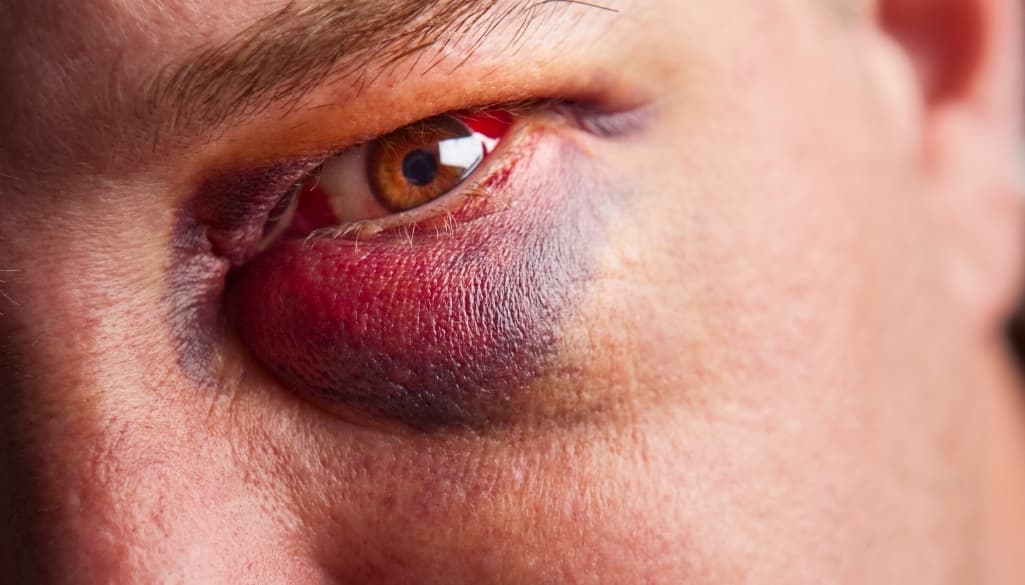
A black eye is often a distressing injury due to its appearance, but understanding its healing process and treatment options can help manage both the physical symptoms and concerns. On average, a black eye typically heals within about two weeks, although this timeframe can vary depending on the severity of the injury and individual factors.
This detailed guide covers the development of a black eye, its typical healing stages, home care tips, and clinical treatment options to support a faster recovery and address potential complications. It also explains effective ways to heal broken blood vessels in the eye fast.
Understanding What a Black Eye Is
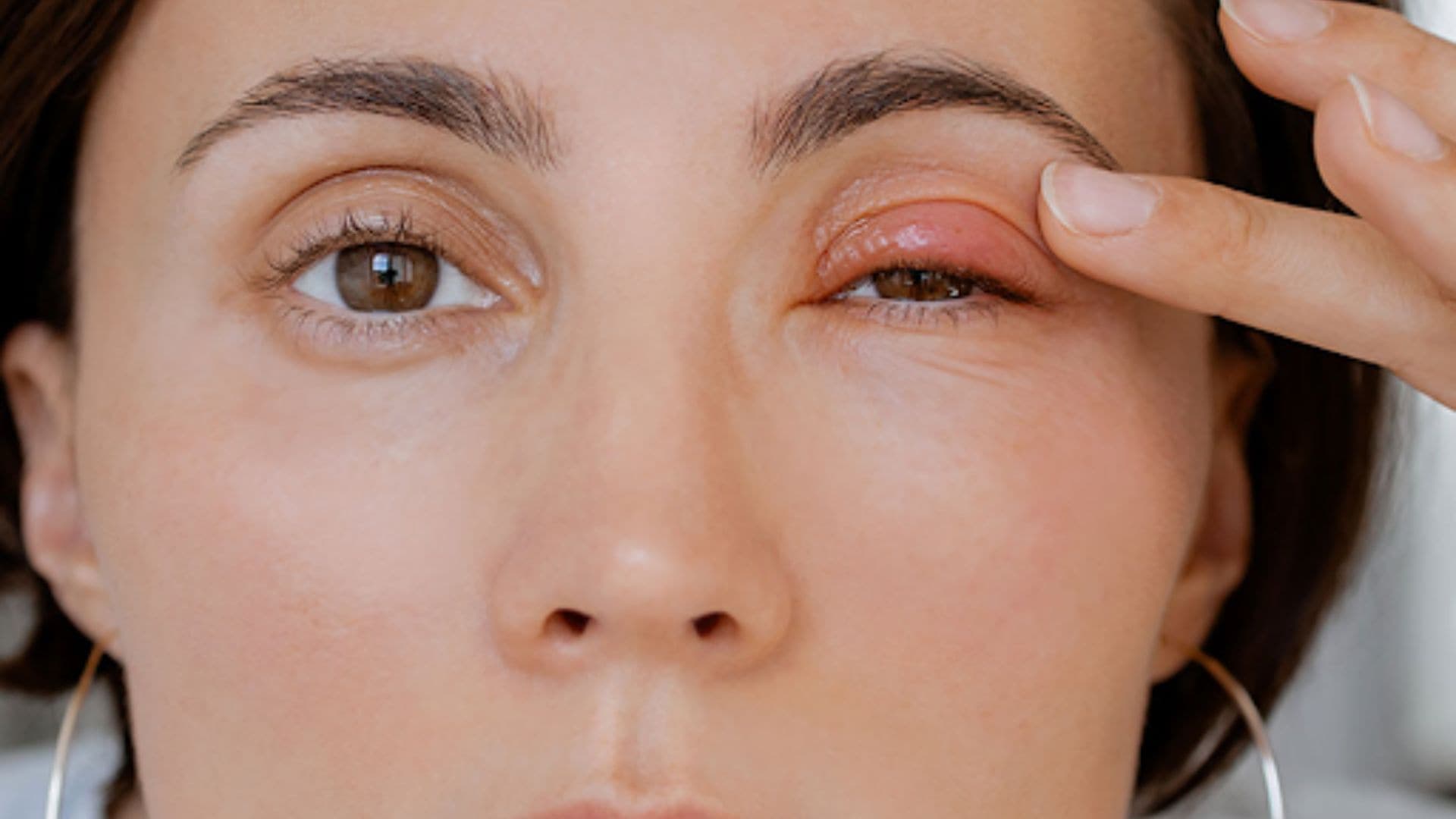
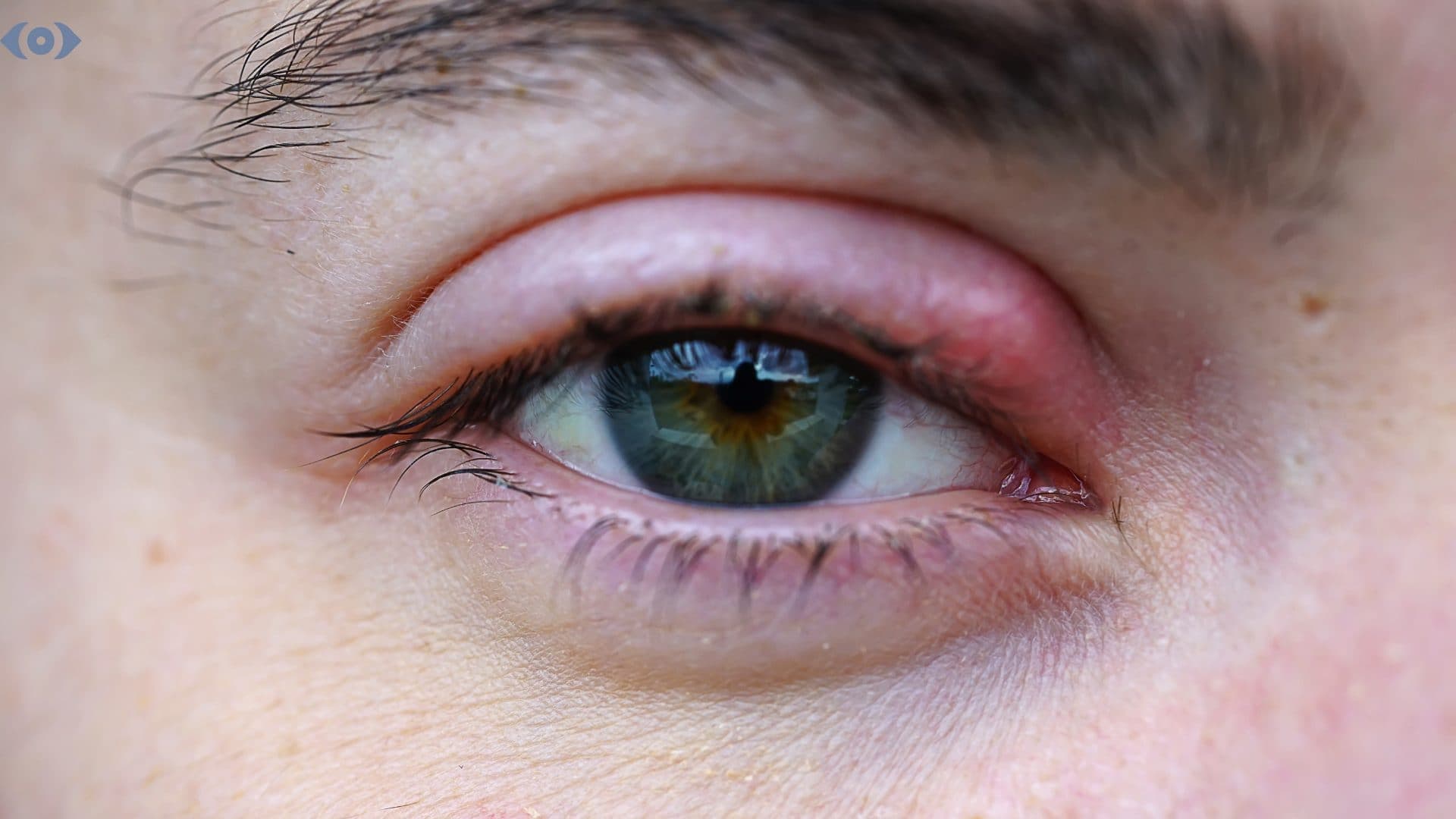
A black eye, medically known as a periorbital hematoma, occurs when trauma causes tiny blood vessels near the eye to rupture, resulting in bleeding under the skin and surrounding tissues. This causes swelling and the characteristic dark discolouration, often ranging from red and purple to yellow and green as the bruise fades over time. The injury usually results from blunt trauma such as a punch, fall, sports injury, or surgical procedures around the eye or nose.What Does a Black Eye Look Like?
Initially, a black eye presents as swelling and redness around the eye, with purple or blue bruising developing within hours to days. Over the coming days, the bruise changes colour: first deepening to dark blue or purple, then shifting to green, yellow, and finally fading back to normal skin tone as the body breaks down and clears the leaked blood. The eyelid may swell so much that it becomes difficult to open the eye.How Long Does a Black Eye Last?
Typically, a black eye follows this healing timeline:- Within the first 1-2 days, swelling and dark discolouration peak.
- Days 3 to 5, the bruising deepens to a dark purple or blue.
- Days 6 to 10 often bring greenish to yellow hues as haemoglobin breaks down.
- Around 10 to 14 days, the bruising fades and resolves.
How Long Does It Take for a Black Eye to Form?
A black eye forms immediately after trauma but becomes more noticeable over the first several hours as blood and fluids collect under the skin, causing swelling and discolouration.Stages of a Black Eye
- Immediate swelling and redness caused by broken blood vessels.
- Dark purple or blue discolouration appears within 1-2 days.
- Colour shifts to green or yellow over days 6-10 as blood breaks down.
- Fading and resolution in about 2 weeks.

Trust your eyes to the experts
- Consult with our doctor-led team for expert, personalised care
- A Care Quality Commission (CQC) rated clinic for your peace of mind
- Achieve a naturally refreshed look with over 25 years of expertise
How to Get Rid of a Black Eye: Home Care Tips
Although most black eyes heal naturally without medical intervention, proper care helps reduce swelling, pain, and healing time:- Apply a cold compress (ice pack or bag of frozen vegetables wrapped in a cloth) to the affected area for 10-20 minutes every hour during the first 24-48 hours post-injury. This reduces swelling by constricting blood vessels.
- After the first two days, switch to warm compresses several times a day to improve blood flow and promote healing.
- Keep your head elevated, especially while sleeping, to minimise swelling.
- Avoid strenuous activities and contact sports until you are fully healed.
- Use over-the-counter pain relievers like acetaminophen to ease pain. Avoid aspirin or ibuprofen initially, as they can increase the risk of bleeding.
- Do not apply pressure directly to the eye.
Advanced Therapeutic Treatments for a Black Eye
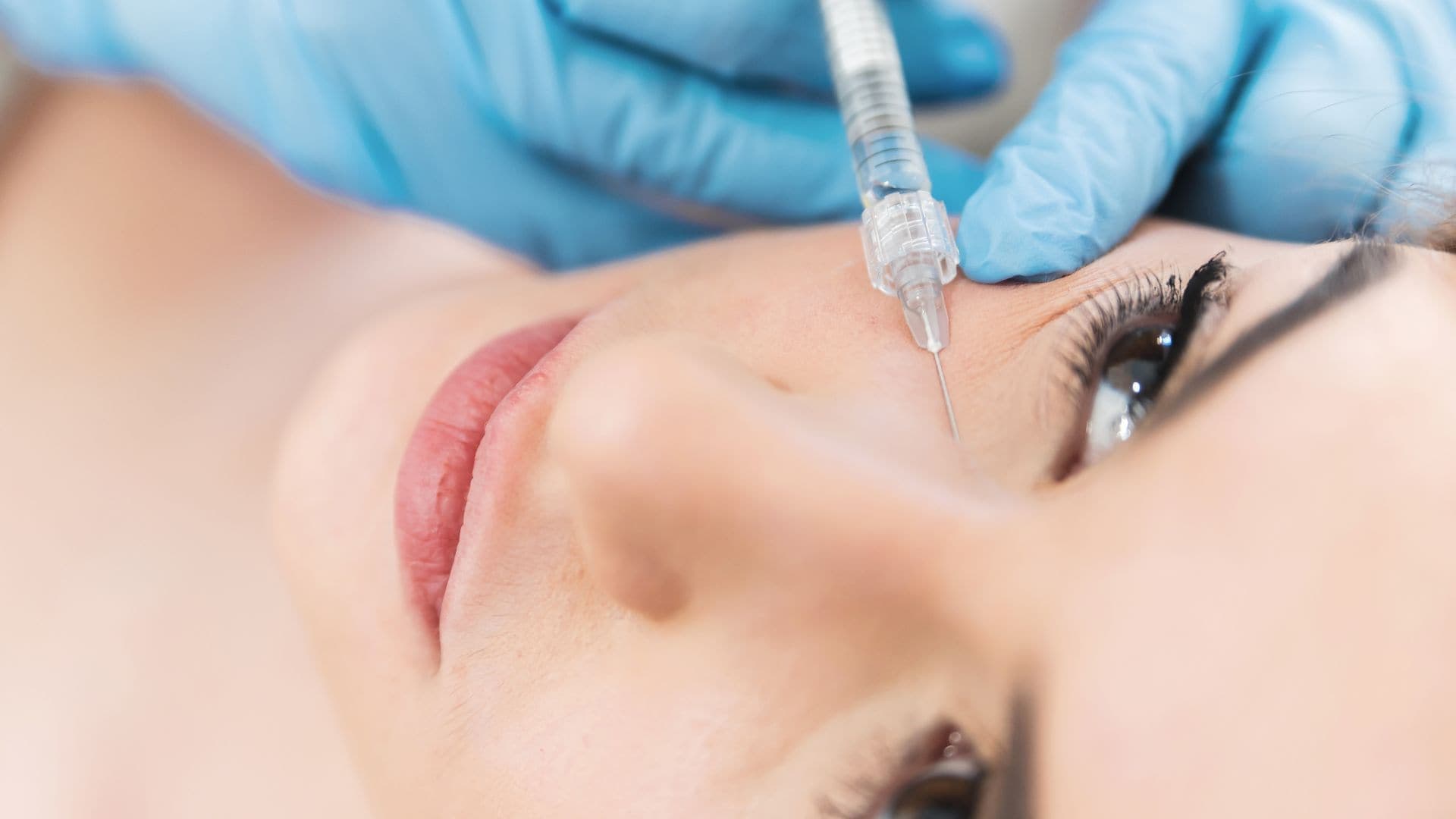
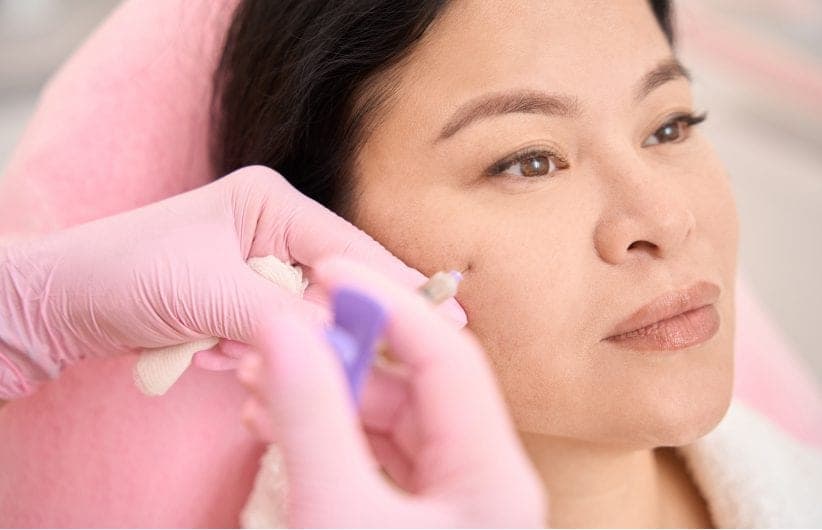
While most black eyes resolve naturally, certain medical clinics offer advanced treatments to accelerate healing and address cosmetic concerns:- Platelet-Rich Plasma (PRP) Therapy: This treatment involves injecting a concentrated solution of the patient’s own platelets into the injured tissue. PRP can stimulate tissue repair, reduce inflammation, and enhance healing of the bruised and swollen periocular areas.
- Hyaluronic Acid Fillers: For individuals who experience volume loss or tissue depression due to trauma, some clinics offer hyaluronic acid injections to restore a smoother contour around the eyes.
- Polynucleotide (PN) Injections: These injectable agents aid skin regeneration and recovery, supporting the repair of delicate skin around the eye after trauma.
- Laser Treatments: Once the bruise has healed, but residual pigmentation remains, laser therapy can help break down excess pigment and improve skin appearance.
Surgical Intervention
Although rare, surgery may be necessary if the injury causes:- Orbital fractures need realignment or fixation.
- Damage to the eye muscles or the eye globe.
- Persistent hematomas that do not resolve with conservative measures.
When to See a Doctor
Seek immediate medical attention if you experience any of the following:- Changes in vision, such as blurred, double, or loss of vision.
- Severe pain or headache that won’t subside.
- Inability to move the eye or difficulty opening the eyelid.
- Blood in the coloured or white part of the eye.
- Signs of infection such as warmth, redness, pus, or fever.
- Bruising that does not improve after two to three weeks or worsens.
- Persistent dizziness, confusion, or vomiting after head trauma.
Summary
This comprehensive guide answered common questions around how long a black eye lasts, the stages of bruising and healing, home care advice, when to seek medical help, and the clinical treatment options available to support recovery. With typical black eye healing lasting about two weeks, understanding what to expect and how to care for the injury can improve comfort and outcomes.Good to know
Frequently asked questions
Still unsure? Our team is glad to talk you through anything before you book.
- A black eye usually heals within 1 to 2 weeks. The swelling and dark bruising gradually fade as the body breaks down and reabsorbs the leaked blood under the skin. If symptoms persist for longer than three weeks or worsen, medical advice should be sought.
- A black eye forms immediately after trauma when blood vessels around the eye break, causing bleeding and swelling. It progresses through stages of discolouration, starting with red and purple, then turning blue, green, and finally fading back to its normal skin tone over approximately two weeks.
- Seek medical attention if you experience vision changes (blurred or double vision), severe pain, difficulty moving the eye, blood in the eye, bleeding from the nose or ears, or if the bruising and swelling do not improve over two weeks. Also, if you have sustained head trauma or other concerning symptoms, prompt evaluation is important.
- Home remedies include applying cold compresses during the first 48 hours, followed by warm compresses to aid healing, keeping the head elevated, and managing pain with appropriate medications. Clinical treatments include anti-inflammatories, corticosteroids, platelet-rich plasma therapy, hyaluronic acid fillers, laser therapy for pigmentation, and polynucleotide injections for skin regeneration.
- Yes, black eyes can sometimes appear without direct injury. Causes include allergic reactions leading to "allergic shiners," medical conditions affecting blood vessels or blood clotting, and rare cases of spontaneous periocular ecchymosis. Bilateral black eyes, commonly referred to as raccoon eyes, can indicate serious underlying conditions, such as skull fractures, and may require urgent medical attention.