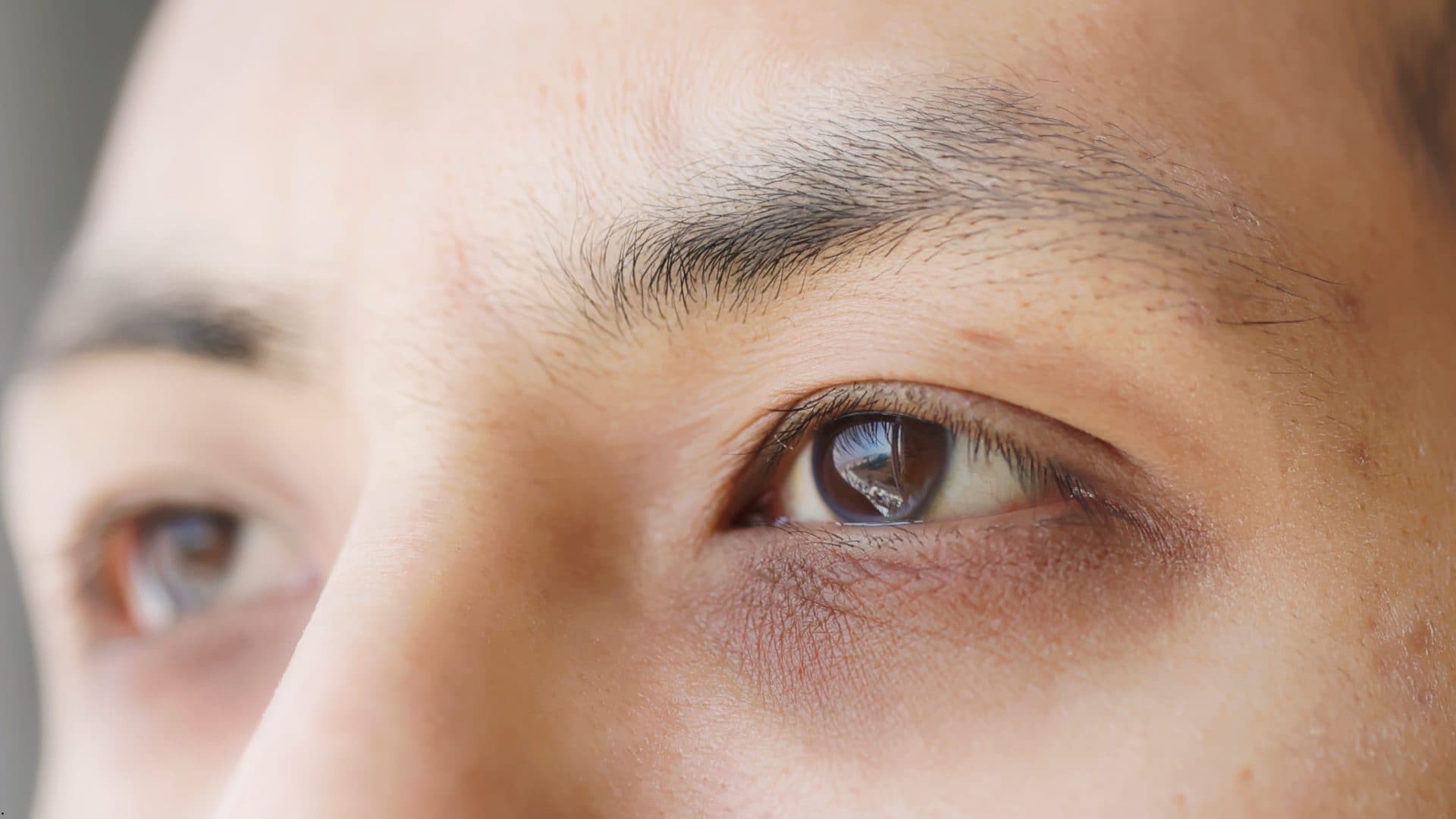
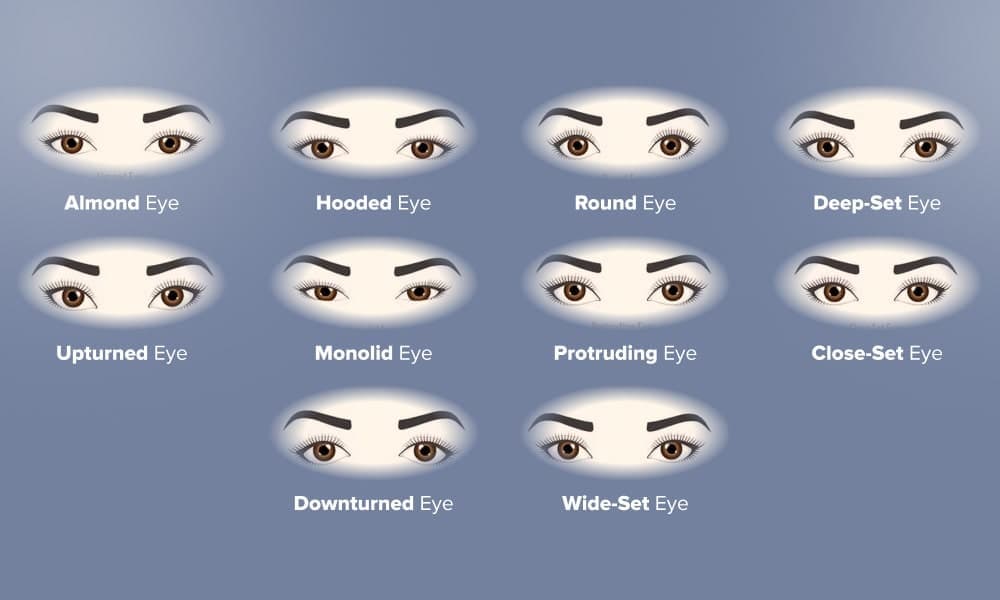
Most people don't really know their eye shape, and that's okay. But knowing it can actually make a big difference. It helps you understand your face better, and it makes things like makeup, glasses & even eyebrow shapes easier to figure out. Different eye shapes can affect how your eyes appear. They can look more open, more lifted, softer, sharper, and so on.
This guide will help you learn about all the main eye shapes, how to find your own & what makes each one unique.
Key Features:
Key Features:
Key Features:
Key Features:
Key Features:
Key Features:
Key Features:
Key Features:
Key Features:
Key Features:
Why Eye Shape Matters?
Eye shape matters because it affects more than just how your eyes look. It plays an important role in makeup, vision, and overall facial symmetry.-
Makeup
-
Vision
-
Appearance
Types of Eye Shapes
Recognising your eye shape is the initial step in selecting appropriate makeup methods and eyewear designs while also highlighting your natural features.1. Almond Eyes
What They Look Like: Almond eyes are named because they look like an actual almond. They are slightly pointed at the ends and have a wide centre. The iris touches both the upper and lower eyelids, and the outer corners are naturally lifted.Key Features:
- Symmetrical and balanced shape.
- Outer corners often appear slightly upturned.
- Very versatile for makeup styles.
2. Round Eyes
What They Look Like: Round eyes appear larger and more open. You’ll often see white space above or below the iris when looking straight ahead.Key Features:
- Iris does not fully touch the eyelids.
- Gives a more youthful or surprised expression.
- Outer corners may curve slightly upward or downward.
3. Monolid Eyes
What They Look Like: Monolid eyes have little to no visible crease on the upper eyelid. The surface between the lash line and the brow appears smooth and flat.Key Features:
- No defined eyelid crease.
- The eyelid may cover most of the upper lash line.
- Common among East Asian individuals.
4. Hooded Eyes
What They Look Like: Hooded eyes have extra skin that droops from the brow bone, covering part or all of the eyelid crease. When the eyes are open, the lid may seem hidden.Key Features:
- A fold of skin covers the upper crease.
- Eyelid appears smaller or less visible.
- May create a tired or droopy look without makeup.
5. Upturned Eyes
What They Look Like: Upturned eyes naturally tilt upward at the outer corners, creating a soft “cat-eye” appearance.Key Features:
- Outer corners sit higher than inner corners.
- Lower lash line has a noticeable upward angle.
- Shape naturally appears lifted.
6. Downturned Eyes
What They Look Like: Downturned eyes slope gently downward at the outer corners. This can give the eyes a soft, sometimes sad or sleepy appearance.Key Features:
- Outer corners are lower than the inner corners.
- The top lid may appear fuller near the outer edge.
- Gives a calm, gentle expression.
7. Deep-Set Eyes
What They Look Like: Deep-set eyes sit further back in the skull. This enhances the prominence of the brow bone while giving a subtle shadow to the eyes.Key Features:
- Eyes appear deeper in the socket.
- Brow bone is more pronounced.
- Crease is very visible.
8. Protruding Eyes
What They Look Like: Protruding eyes bulge slightly outward from the eye socket, making them appear large and rounded.Key Features:
- Eyelid area is very visible.
- The eyes are positioned toward the front of the face.
- Can look dramatic or doll-like.
9. Close-Set Eyes
What They Look Like: Close-set eyes have less space between them than the width of one eye. The inner corners of the eyes are closer together on the face.Key Features:
- Eyes are spaced narrowly apart.
- Often creates a more intense or focused expression.
- Nose bridge may appear more prominent.
10. Wide-Set Eyes
What They Look Like: Eyes that are wide-set feature a greater distance between them than the width of a single eye. The inner corners are positioned farther away from the nose bridge.Key Features:
- Eyes appear farther apart.
- Creates a more open, relaxed look.
- Often seen with broader facial features.
Trust your eyes to the experts
- Consult with our doctor-led team for expert, personalised care
- A Care Quality Commission (CQC) rated clinic for your peace of mind
- Achieve a naturally refreshed look with over 25 years of expertise
How to Identify Your Eye Shape (Step-by-Step)?
To know your eye shape, look straight into a mirror under good lighting and note:- If the crease of your eyelid is not visible or mostly hidden, you likely have hooded or monolid eyes.
- If the outer corners of your eyes tilt upward, your eyes are upturned. If they tilt downward, your eyes are downturned.
- When measuring from the inner corner (tear duct) to the outer corner, if the distance between your eyes is less than the width of one eye, they are considered close-set. If it’s more, they are wide-set.
- If your eyes are located further back within the brow bone, they are considered deep-set. If they seem to extend forward from the sockets, they are more prominent or protruding.
Can You Have More Than One Eye Shape?
Yes, it’s very common to have features from more than one eye shape. Most people don’t fit perfectly into just one category. For example, you might have almond-shaped eyes that are also slightly hooded. Or you could have round eyes that tilt upward at the outer corners, making them a bit upturned too. Eye shape is not just based on one feature. It’s a mix of several things, like the eyelid crease, the angle of the outer corners, how deep your eyes sit, and the space between them. That’s why many people relate to two or even three types at once. Understanding this helps you use makeup in a way that works with your unique eye structure.Final Thought
Knowing your eye shape helps you choose what works best for your features. Whether you’re looking for the right eyeliner, glasses, or brow style, understanding your eye shape gives you an advantage. The best way to figure this out is to stand in front of a mirror and look closely at your features. Try out different looks and adjust as needed. Don’t aim for perfection, focus on what feels right for your face.Good to know
Frequently asked questions
Still unsure? Our team is glad to talk you through anything before you book.
- Look at your eyes in natural light with no makeup. Notice the crease, the tilt of the outer corners, how visible your eyelid is, and the space between your eyes. These features will help you match your eyes to the common shapes like almond, round, hooded, or monolid.
- Yes, slightly. As you age, skin around the eyes can lose firmness, which may make hooded or downturned features more noticeable. But your basic eye structure stays the same.
- Yes, many people do. For example, you might have deep-set, almond-shaped eyes with a slight hood. It’s completely normal to fall into more than one category.
- You can’t physically change your eye shape, but smart makeup techniques can create the illusion of different shapes, like making round eyes look more almond, or lifting downturned eyes.